Categories
Employers & HR Leaders

The Hidden Science Behind Why Most Behavior Change Fails

After more than three decades deeply immersed in the research, design, and application of wellness and behavior change programs, the Avidon Health team has seen a simple truth: people don’t struggle because they’re weak. People struggle because their brains are wired to resist change… even when it gets in the way of the life they want.

The good news? With the right psychological tools, transformation becomes not only possible… but predictable. This article summarizes the science behind what actually moves people from intention to lasting transformation… we hope you find it valuable.

Why Behavior Change Fails—and How the Right Methodology Fixes It

Person with question mark representing internal confusion, cognitive patterns, and why behavior change fails

Most people don’t struggle because they lack information. They struggle because their thoughts, emotions, beliefs, and conditioned responses work against their goals. Effective behavior change systems must therefore address not only the behaviors themselves but the internal cognitive patterns that trigger and perpetuate them.

Avidon’s methodology—one I’ve worked with closely—was originally developed to disrupt deeply ingrained, emotionally driven habits, particularly those with addictive or compulsive components. It systematically combines cognitive behavioral strategies with learning theory and coaching structures to replace emotional reactivity with rational, empowered choice.

The Cognitive Behavioral Core: Rewiring Thoughts to Change Actions

At its foundation, CBT asserts that behavior is inseparable from beliefs, thoughts, and emotions. When people change the way they interpret situations, they change how they feel and what they do.

  • A well-structured behavior change program therefore mirrors the CBT journey:
  • Assessment & Goal Setting: Clarifying the patterns and objectives.
  • Psychoeducation: Helping individuals understand how thoughts create behaviors.
  • Cognitive Restructuring: Identifying and reframing unhelpful thought patterns.
  • Behavioral Activation & Skills Training: Practicing new skills and coping strategies in real life.
  • Monitoring & Relapse Prevention: Reinforcing progress, adjusting strategies, and planning for setbacks.
  • This structured, step-by-step process transforms insights into repeatable, sustainable action.

The Power of Proactive Acceptance: A Breakthrough in Urge Management

Many lifestyle behaviors—unhealthy eating, smoking or vaping, drinking too much—are driven by emotionally conditioned urges. Traditional strategies teach avoidance, but evidence shows this can strengthen cravings.

The Avidon methodology integrates a unique, proactive form of Acceptance and Commitment Therapy (ACT). When applicable, individuals deliberately create the urge in a controlled setting, then practice acceptance-based techniques to dissolve its power.

In a landmark evaluation, leading psychologists highlighted that this approach teaches participants to “dance” with urges rather than fight them—significantly improving desensitization and reducing relapse.

Even more compelling: neuroscience shows that emotional decisions occur in the brain 20–50 milliseconds before conscious awareness. By initiating the craving in the prefrontal cortex—where rational thought occurs—the individual regains control over the decision-making window.

This is one of the most scientifically elegant techniques I’ve seen in behavior change work.

The Learning Sciences: Why Behavior Change Requires New Thinking, Not Just New Habits

Behavior change is, fundamentally, a learning process.

Cognitive Learning Theory explains that people build new behaviors by actively organizing and integrating knowledge—not by reacting to stimuli.

Behavioral Learning Theory contributes conditioning principles that help establish new responses and weaken old ones.

Social Cognitive Theory adds the importance of modeling, self-efficacy, and environmental influences.

Effective programs weave all these together to ensure that people don’t just “try harder”—they think differently, feel differently, and engage with their environment differently.

The Psychology of Human Motivation

Lasting wellbeing requires more than self-discipline—it demands alignment with human motivational drivers such as:

  •  Autonomy, competence, and relatedness (Self-Determination Theory)
  • Cognitive biases like loss aversion, present bias, and heuristics (Behavioral Economics)
  • Positive emotions, meaning, engagement, and relationships (Positive Psychology’s PERMA model)

When these intrinsic needs and psychological realities are integrated into a program, people not only change—they thrive.

Mindfulness and Emotional Self-Regulation

Mindfulness plays a critical role by improving:

  • emotional regulation
  • stress reduction
  • focus
  • present-moment awareness

These skills allow individuals to pause automatic reactions and make conscious choices—an essential ingredient in any behavior change methodology.

Man in a thoughtful pause representing mindfulness and emotional self-regulation in behavior change

The Transtheoretical Model: Change as a Journey, Not an Event

People move through predictable stages—from precontemplation to contemplation, preparation, action, and maintenance. Progress isn’t linear, and relapse is part of the process. Effective programs support each stage with appropriate strategies such as consciousness raising, reinforcement, and stimulus control.

A stage-matched approach dramatically increases a person’s readiness and resilience.

Motivational Interviewing: The Art of Drawing Out Inner Drive

Motivational Interviewing (MI) remains one of the most powerful tools in health coaching. Rather than telling people what to do, MI helps them uncover their own reasons for change through empathy, evocation, and autonomy-supportive dialogue.

With the integration of AI, these techniques can now be delivered digitally at scale—expanding access and impact.

Bringing It All Together

When cognitive behavioral science, learning theory, emotional regulation, neuroscience, motivational design, and skilled coaching converge, they create a behavior change ecosystem capable of transforming lives.

That’s the work we’ve been privileged to study, build, and advance over the past decades—and it continues to shape how we support organizations and individuals striving for meaningful, lasting wellbeing. If you have a need for wellness and behavior change programs that produce meaningful results, let us know—we would love to help.

Frequently Asked Questions

Most programs focus on surface-level behaviors without addressing the underlying thought patterns, emotional triggers, and conditioned responses that drive those behaviors. Without addressing those internal factors, change is difficult to sustain.

Avidon’s methodology focuses on both behavior and the internal cognitive and emotional patterns behind it. By combining evidence-based frameworks like cognitive behavioral strategies and learning theory, it creates a more complete system for long-term change.

Instead of relying on avoidance, Avidon incorporates acceptance-based techniques such as Acceptance and Commitment Therapy (ACT) that help individuals experience and work through urges in a controlled way. Over time, this reduces the intensity and influence of those urges.

Yes. The methodology draws from established frameworks including Cognitive Behavioral Therapy (CBT), Acceptance and Commitment Therapy (ACT), learning theory, and motivational interviewing, all of which are widely supported in behavioral science.

Yes. Advances in digital coaching and AI make it possible to deliver structured, evidence-based behavior change programs at scale while maintaining a personalized experience.

Categories
Employers & HR Leaders

How to Help Employees Change Unhealthy Habits

The Problem that Frustrates Most Wellness Program Managers 

Why is it so difficult for your employees to change certain unhealthy habits, even though their lives may literally depend on it? For instance, why does an unhealthy eater with high blood pressure or diabetes tell their health coach they are desperate to lose weight… but can’t stop snacking on candy and junk food? And why does a non-exerciser commit to a daily workout program after a heart attack… only to abandon it after just a few short weeks? Why does this happen—even with the best wellness programming in place?

In this article I will share important information and strategies our cognitive experts and health coaches have learned in more than three decades of research and practical experience helping employees break hard-to-change habits. My goal is to reveal what, for many HR or wellness administrators, is the missing piece in the behavior change puzzle … and to give you a proven strategy for helping employees break free of even the most stubborn unhealthy habits. Let’s dive in …

How a Behavior Becomes a Habit

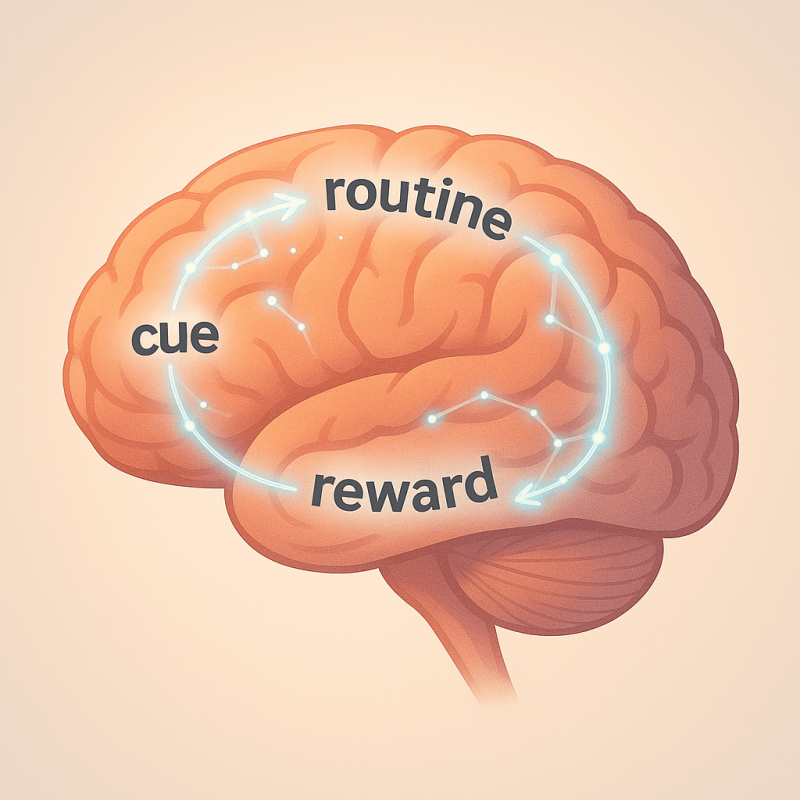
Illustration of a human brain showing the habit loop: cue, routine, reward—highlighting the neuroscience of behavior change in employees.

As most people know, a habit is formed by consistently repeating a particular behavior until the brain learns to do it automatically. From a biological standpoint, the brain carries out behaviors by processing information and transmitting signals through specific neural circuits. And the more a particular behavior is repeated, the more the neural circuits are strengthened—until the behavior is embedded deeply enough to happen automatically when triggered.

However, what many people may not realize is that there are essentially two types of behavior that can become a habit—and they are each processed differently by the brain. This explains why some habits are easy to change, while others are not.

The Two Types of Habit

Driving is a good example of an easy habit to change. If we move to a new house and need to take a different route to the grocery store, it may seem unfamiliar at first. But after a few trips our brain goes on “autopilot” and we take the new route without another thought.

On the other hand, some habits are much harder to change. Snacking on junk food … avoiding exercise … smoking or vaping … or drinking too much alcohol. If there’s one thing we’ve learned from all our years providing health coaching and corporate wellness programming, it’s this: For most employees who cannot shake these types of habits, it’s not for lack of trying.

So why the struggle? Why doesn’t the brain learn to eat healthier snacks, exercise, or breathe fresh smoke-free air by simply repeating the new behavior a few times—like it does when taking a new route to the store?

As I said before, it’s because the brain processes these types of habits very differently.

Underlying Brain Function

When you think about it, a behavior like driving to the store is PRACTICAL in nature—your goal is to accomplish a task. However, the driving force behind hard-to-break habits is very different: the behavior involves gaining pleasure (like snacking on junk food) or comfort (like avoiding exercise). In other words, the root of hard-to-break habits is EMOTIONAL. And here’s where the problem lies.

Without getting into too much detail, your emotions are stored in an area of your brain known as the limbic system. This part of the brain operates subconsciously and cannot determine whether a particular behavior is healthy or makes sense—all it cares about is whether the behavior gives you pleasure or makes you feel more comfortable. The limbic system is also very powerful—when stimulated beyond a certain level, it simply overwhelms the area of your brain known as the prefrontal cortex that does your logical thinking.

Why Emotional Habits Are Harder to Break

When we try to quit an emotionally driven habit, we unknowingly start an argument between our brain’s limbic system and prefrontal cortex. For example, let’s say our blood pressure’s a bit high and we want to lose a few pounds, so we decide to stop snacking on junk food. Here’s what typically happens in a situation like this …

The Battle Inside Our Brain

The next time we think about junk food, two thoughts take place at the same time. On a conscious level, our prefrontal cortex says, “Nope, no junk food for me—I want to get healthier.” But on a subconscious level, deep down where we can’t control it, the limbic system says just the opposite: “Junk food … yum … give it to me now … I want pleasure!” In other words, we begin to experience an internal conflict known as cognitive dissonance. And what does that conflict cause? You guessed it—discomfort! It’s easy to see what happens next …

The more we fight our desire to snack on junk food, the more internal conflict we experience—and the more our limbic system is stimulated. It starts to put out signals in the form of cravings to trick us into getting back to its comfort zone—and the more we fight the signals, the more intense they become. “Help, I can’t stand this awful feeling of discomfort! Hurry—I need junk food to feel comfortable again!” Until—just like a hungry child screaming louder and louder—the cravings become so uncomfortable that they “force” us to give in and eat junk food to stop the torture!

More than Just an Unhealthy Habit

The more we keep repeating the emotionally charged unhealthy habit, the more we strengthen the neural circuits that store it in the limbic system. Then, when we try to give it up, the cravings are too intense and the process too uncomfortable. So, we keep putting it off … keep promising ourselves we’ll try again … and keep repeating the process. Until one day—without us even realizing it—the habit has turned into a full-blown psychological dependence. At this point, it’s virtually impossible for most people to break it using standard behavior modification techniques—no matter how much willpower they have.

So, how do you help your employees eliminate the emotionally rooted habits that cause so many problems in their lives?

How to Actually Help: Interventions That Work

It’s important to recognize that unless an emotionally rooted habit is just getting started, standard wellness programming like education, trackers, and wellness challenges likely won’t help much. Most employees with these struggles have been giving up their health and wellbeing for years, so you need to point them to solutions that are specifically designed to address psychological dependencies.

One such solution is Cognitive Behavioral Therapy (CBT). CBT has a strong efficacy rate, even with hard-to-break habits like substance use disorder (SUD). And the good news is that CBT may be covered under your organization’s health insurance plan—or by your Employee Assistance Program (EAP), if you have one. The downside is that it involves multiple one-on-one or group therapy sessions so it’s time-consuming, potentially intimidating, and may carry a negative stigma.

Smiling professional woman clapping hands in encouragement, symbolizing positive employee wellness outcomes and successful behavior change.

A Scalable Alternative: CBTraining

Another alternative is to incorporate appropriate Cognitive Behavioral Training interventions into your employee wellness program. These interventions leverage CBT principles and are usually delivered in the form of convenient, confidential self-guided online courses. They give employees the knowledge, skills, and tools they need to eliminate hard-to-change habits, empowering them to systemically rewire their brain to create genuine, lasting change and a higher quality of life.

Avidon Health: Courses That Drive Change

Many of the 40+ health and wellness courses designed by Avidon Health’s experts use a proprietary cognitive behavioral training method — a combination of CBT principles and health coaching techniques. They have a high efficacy rate as shown by the biometric and other results on this web page—we invite you to enjoy a free preview if you would like to see how they work.

Categories
Employers & HR Leaders

5 Often-Overlooked Benefits of Diversity and Inclusion

Why Diverse Workforces Still Matter—Even in 2025

In the face of recent initiatives to shift the focus from “equity” to “merit,” it is crucial for organizations to reaffirm their commitment to a safe and welcoming workplace with equal opportunity—regardless of race, religion, ethnicity, gender, and sexual orientation.

No further discussion is needed about the benefits of a safe and inviting workplace—the impacts on employee mental health and wellbeing are self-evident. However, other less obvious benefits may also be reaped by diverse organizations. These benefits can be significant and are well documented in Diversity Matters, a research report published by McKinsey & Company.

A diverse team collaborating in a modern office—key to an inclusive employee wellness program.

By examining proprietary data sets for 366 public companies across a range of industries in the United States, Canada, the United Kingdom, and Latin America, the research uncovered strong evidence regarding the benefits of employee diversity and inclusion. A key excerpt notes: “The unequal performance across companies in the same industry and same country implies that diversity is a competitive differentiator that shifts market share towards more diverse companies.”

If you don’t have time to read the entire report, here’s a quick summary of key benefits:

1. Better Financial Performance

McKinsey’s research highlights a strong correlation between diversity and financial performance. Companies in the top quartile for racial and ethnic diversity are 35% more likely to financially outperform their industry, while those in the top quartile for gender diversity are 15% more likely to do the same. Conversely, low diversity correlates with poorer financial outcomes.

2. Broader Talent Pool

Embracing diversity and inclusion allows companies to access a broader talent pool. Inclusive environments attract and retain top talent from diverse backgrounds, enhancing the company’s competitive edge and reflecting a true commitment to equal opportunity—a top priority for today’s workforce.

3. Improved Employee Engagement and Retention

Inclusive workplaces foster higher engagement and retention. When employees feel valued, they are more satisfied and more likely to stay, reducing turnover and promoting workforce stability.

🟩 Want to Build a More Inclusive Workplace?

See how Avidon helps HR leaders foster inclusion with culturally intelligent wellness programming.
See Pricing and Try It Free → Our platform makes it easy to launch an employee wellness program that aligns with your diversity and inclusion goals. No complexity, just impact.

4. Enhanced Company Reputation

A diverse workforce mirrors a diverse customer base, fostering empathy and stronger connections with clients. Companies known for prioritizing diversity, inclusion, and equal opportunity are often more attractive to customers, partners, and investors—especially Gen Z and Millennials, who place high value on corporate social responsibility.

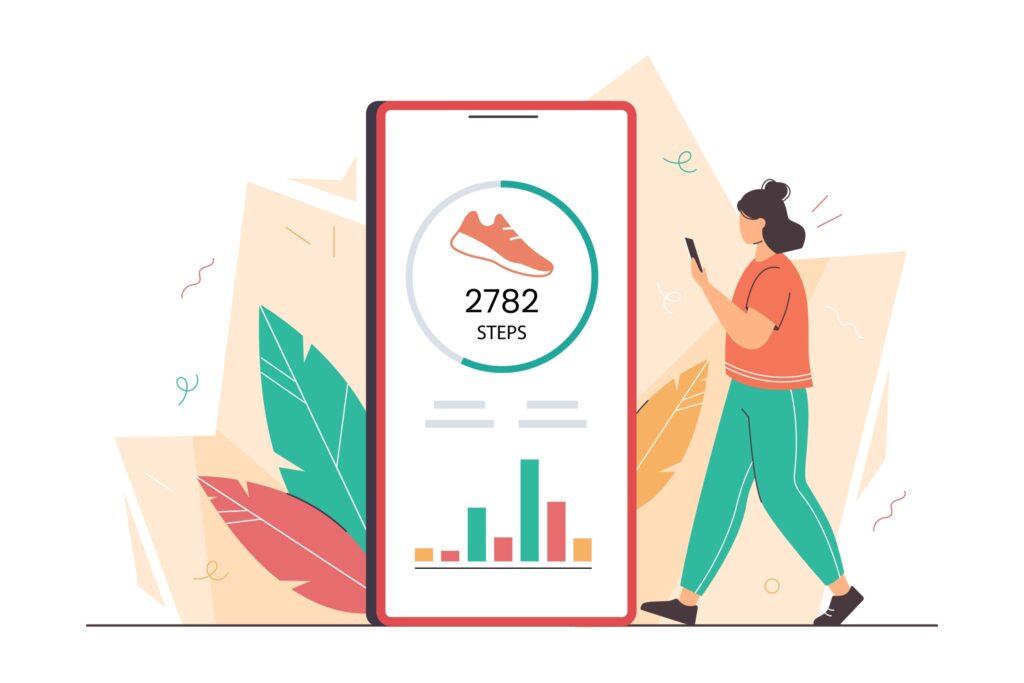
Illustration of a person checking wellness data on a mobile app with step tracking and health analytics

5. Innovation and Creativity

Diverse teams bring a variety of perspectives and problem-solving approaches, which drives innovation. In today’s environment, this creative edge is essential for long-term competitiveness.

Pro Tip to Boost Inclusion

One of the most effective ways to foster inclusion is by offering a well-designed, inclusive employee wellness program. Strengthen it with thoughtful communication that underscores shared benefits and goals.

Two powerful unifying Human Resources strategies:

  • Provide a wide range of culturally relevant, health-promoting employee wellness content that resonates across your workforce.

  • Host engaging, non-intimidating group wellness activities that help employees build human-to-human connections and dissolve workplace barriers.

Final Thoughts

The benefits of diversity, inclusion, and equal opportunity are both well-documented and strategic. From enhanced performance and talent retention to improved reputation and innovation, inclusive practices pay dividends. One of the most practical ways to bring diversity and inclusion to life is through an employee wellness program that supports real behavior change across a diverse workforce. By investing in inclusive wellness, HR leaders can reinforce belonging, drive engagement, and future-proof their organizations, creating workplaces that are not only appealing and equitable but thriving.

Categories
Employers & HR Leaders

Corporate Wellness Programs: 5 Mistakes to Watch For

Corporate Wellness Programs: Five Key Pitfalls to Avoid 

The evidence is irrefutable that implementing a successful corporate wellness program can enhance employee well-being, productivity, and overall organizational health. However, there are some key mistakes that can significantly hinder the effectiveness of your wellness program. Here are five that are easy to avoid once you’re aware of themall you need is a leadership team that genuinely cares about your people.

Workplace wellness programs

1. Lack of Management Support and Involvement  

A critical factor for the success of a corporate wellness program—and one where we see many organizations fall short—is the support and active involvement of management. Regardless of how busy the organization’s leadership is, this is vital. When leaders actively support and participate in wellness initiatives, it sends a powerful message to employees about how much the organization values their people’s wellbeing. When leaders don’t get involved, it sends just the opposite message—that they either don’t believe in the program, don’t care about their people, or have a hidden agenda of some sort. 

In our view, management involvement in your wellness program is a sound business investment that can optimize workforce adoption and engagement by: 


  • Setting an example: When employees see their leaders participating in wellness activities, they are more likely to join in. 
  • Building trust: Leadership participation in wellness activities facilitates interaction, helps break down organizational barriers, and allows management and staff to get to know each other on a “human” level. 
  • Mentoring and motivating: Wellness programs provide an excellent forum for motivating employees through recognition and encouragement—and optionally with incentives too, if you have the budget for it. 
  • Identifying resource needs: Hands-on participation allows management to learn what drives your people and where to allocate resources—not just at the wellness program level, but at the organizational level too.

2. Misalignment with Workforce Needs and Interests

wellness programs for employees

To be effective, your wellness program needs to resonate with the specific needs and interests of your workforce. This may seem obvious, but a 2020 Aetna™ study revealed otherwise. Although 70% of employers believed they provided good access to health and wellness benefits, only 23% of their employees thought so—an enormous disconnect. The truth is that generic “one size fits all” programs thrown at employees without considering their unique characteristics are not only a recipe for low participation and engagementthey may even result in alienation. A good example is the annoying weight management offer I keep getting month after month from my national health planeven though I’m not overweight, eat very healthy mostly, and am extremely active! To avoid this pitfall: 

  • Conduct surveys and assessments: Understand the health concerns, preferences, and interests of your employees. Your wellness portal may come with user-friendly surveys and functionalities specifically for this purpose. 
  • Offer diverse options: Provide a variety of wellness activities and resources that cater to different needs, interests, personality types, and levels of health. 
  • Regularly review and adjust: Continuously evaluate the program’s components to ensure they remain relevant and appealing. More about that later. 

3. Ineffective or Infrequent Communication


Effective communication is vital for the success of any wellness program. Employees need to be informed about the program’s goals, activities, and benefits clearly and accurately. Accuracy is especially important if you offer incentives—there’s no quicker way to demotivate an employee than for them to put forth the effort to earn a reward, only to find out that they didn’t qualify because the rules were confusing or not communicated correctly. Your communications also need to strike the right tone—the program needs to be perceived as inviting and beneficial (for them!), rather than burdensome or intimidating. To avoid the pitfall of poor communication:

  • Leverage multiple channels: Utilize emails, newsletters, intranet, and social media to reach employees—and perhaps flyers in the lunchroom etc. Depending on your organization’s size, also consider enlisting wellness program ambassadors to help beat the drum. 
  • Communicate regularly and often: Something we see with all our clients, regardless of program specifics, is that wellness program activity spikes every time a well-worded communication goes out. 
  • Use a warm, inviting tone: Impart your message in a way that lets your people know you care about them. Remember, you want to let your people know you’re doing wellness “for” them, not “to” them. 
  • Personalize your messages: When appropriate, tailor communication to address individual needs and preferences. If your wellness portal’s messaging functionality offers filtering options, put in the effort to target groups of members based on their specific activities and needs. You will vault participation and engagement to a whole new level. 
  • Provide timely updates: Keep employees informed about upcoming events, changes, and especially successes. Don’t forget that inspiring someone to achieve better health can literally change their life! 

4. Lack of Objective Measurement of Results 

It is impossible to determine the effectiveness of your employee wellness program without objective measurement. Metrics and data are essential to evaluate progress, make informed decisions, and make the adjustments needed to optimize wellness program engagement and outcomes. To avoid this pitfall:

wellness programs
  • Set clear goals: Define specific, measurable objectives—not only for the overall program, but for each activity within it. If you’re working with a wellness vendor, consider asking them to help you establish realistic benchmarks based on information from their other clients.
  • Track results: As a rule of thumb, measuring the following will provide you with the information you need: participation rate, completion rate, satisfaction and—when applicable—health outcomes. Quality wellness platforms often include a robust set of standard reports designed especially for this purpose.
  • Analyze the data: Use the collected data to identify trends, successes, and areas for improvement. Be self-disciplined about performing data analysis regularly—generally, we recommend once a month. What you learn can be invaluable. 

5. Inflexibility and Resistance to Change

A successful wellness program must be adaptable and responsive to feedbackboth from your members and from the data you measure. Sticking rigidly to components that are not working does more than just waste resources and reduce program efficacy: it can also negatively impact overall employee wellness engagement.

corporate wellness programs

  • Encourage feedback: Create channels for employees to share their thoughts and suggestions. Surveys, well-publicized inboxes (or anonymous onsite suggestion boxes), and informal chats with wellness ambassadors are good examples.  
  • Be willing to pivot: If certain aspects of the program are not effective, be open to making changes. Wellness program success is a journey, not a destination, so be willing to make changes when the data indicates it. 
  • Stay updated: by keeping abreast of new wellness trends and best practices to continuously improve the program. If your wellness vendor sends out regular communications, be sure to subscribe so you can leverage their knowledge and experience. Depending on your organization’s size and structure, you may also want to set up a wellness committee to review and discuss program performance and feedback regularly.

Closing Thoughts

Avoiding these 5 key pitfalls will go a long way towards having a successful corporate wellness program; one that truly enhances employee well-being and drives positive outcomes not only for the workforce but also for your organization. I hope you’ve found this article helpful; for more like it, I invite you to check out our Resources Hub. 

FAQs

Although different studies produce different results based on a number of factors, some indicated that every dollar spent could net you $1.50 to $3.00 in savings. The biggest drivers of these savings are healthcare cost reduction, enhanced productivity, and reduced absenteeism. 

Yes they absolutely do, with the caveat that they need to be well designed and optimized. What works for a tech startup might not work for a car dealership. For further help read How to Evaluate and Energize Your Corporate Wellness Program

One of the most effective ways to increase engagement is with well thought out team challenges. Regular and effective communications, use of gamification, and employee feedback that is incorporated into the offering also help. 

Categories
Employers & HR Leaders

10 Helpful Corporate Wellness Trends To Watch For In 2025

10 Key Corporate Wellness Trends for 2025 

Corporate wellness

According to McKinsey & Co.’s 2024 Future of Wellness survey, 82% of US consumers now consider wellness a top or important priority in their everyday lives. As their health needs evolve, staying ahead of emerging wellness trends is crucial if you want your organization’s corporate wellness program to remain relevant and hit the mark. Several key trends will shape corporate wellness programs in 2025.This article weaves together insights from various respected sources to highlight these trends, along with underlying reasons and actions employers can take to capitalize on them. 

     1. Mental Health Support

The COVID-19 pandemic heightened awareness of mental health, leading employers to prioritize mental well-being initiatives. Mental health remains a top area for corporate wellness program investment, and for good reason: a 2024 survey conducted by SHRM (Society of Human Resources Management) found that almost half (44%) of US employees were struggling with burnout and over a quarter (26%) felt overwhelmed.

Ideas: 

  • If you don’t have an Employee Assistance Program (EAP) that offers counseling and support, implement one. If you already have one, make sure it’s a prominent and accessible part of your employee wellness program. 
  • Provide training for managers to recognize and address mental health issues, along with appropriate wellness program resources to point employees to. 
  • Facilitate regular mental health check-ins through surveys and feedback loops. 

       2. Focus on Preventive Care

As healthcare costs continue to climb, employers continue to focus on preventive care within their wellness programs. This is not surprising seeing as preventive measures such as health screenings and lifestyle management programs can potentially reduce medical claims and improve long-term health outcomes. A review of 56 qualifying financial impact studies conducted over 2 decades found that participants in worksite health and wellness programs had 25% to 30% reductions in medical and absenteeism costs compared with nonparticipants over an average study period of 3.6 years (Amer. Jnl. Health Promotion, 2012). 

Ideas: 

  • Provide onsite health screenings and appropriate immunizations.
  • Offer workshops, challenges, and online courses about lifestyle management.
  • Offer incentives for participating in preventive health initiatives. 

     3. GLP-1 Weight Loss Medications 

As GLP-1 style medications like Ozempic®, Wegovy®, and Zepbound® revolutionize weight management, consumer demand for these red-hot drugs continues to soar. According to an analysis by investment bank J.P. Morgan, as many as 30 million Americans could be on GLP-1 medications by 2030. This fast-growing demand poses many challenges for employers—not only because GLP-1 medications are extremely pricey and have potential side effects, but also because changes in deeply ingrained dietary and exercise habits are usually required for safe use. 

Ideas: 

  • Offer your employees educational resources explaining the positives and negatives of GLP-1 medications 
  • Make suitable lifestyle management resources available for employees using GLP-1’s. 
  • If you plan to offer your employees GLP-1 coverage, build in pre-qualification and participation protocols that ensure appropriate commitment levels and compliance. 

     4. Financial Wellness Initiatives

In recent years, there has been a growing demand for financial wellness programs for employees. Financial wellness programs should not be confused with the wealth management programs offered by investment firms. Drivers include things like inflation, work disruptions and general economic uncertainty, because financial stress can significantly impact mental and physical health. For example, 77% of employers responding to a 2024 Employee Benefit Research Institute (EBRI) survey reported either offering or planning to offer employees an emergency savings account within the next year or two. 

Ideas: 

  • Provide a course that covers financial wellness basics (including practical savings tips). 
  • Offer options like emergency savings programs and flexible spending accounts; ensure all employees understand how these work and how to benefit from them. 
  • Partner with a vendor to provide financial counseling and retirement planning for those interested. 

      5. Digital Wellness Solutions 

Driven by the rise of remote work during the pandemic, digital tools for fitness tracking, mindfulness, and virtual health coaching—as well as convenient self-guided wellness courses and exercise classes—continue to gain traction as effective wellness solutions. PHTI’s 2024 State of Digital Health Purchasing survey found that 52% of employers plan to increase their spending on digital health solutions over the next 12 months, with 99% looking for solutions that improve health outcomes.  

Ideas: 

  • Invest in a wellness portal that includes a variety of digital resources for employees. 
  • Conduct virtual wellness challenges to engage employees and encourage participation. 
  • Survey your employees to learn what types of digital wellness tools interest them. 

     6. Wearable Technology Integration Wellness benefits

Interest in wearables has surged as devices grow more sophisticated, making them more popular than ever before for tracking health metrics and encouraging a healthy lifestyle. A report from Fortune Business Insights projects that the market for medical wearables—including fitness bands, smartwatches, and electronic scales—will grow by over 350% in the next 8 years. 

 Ideas: 

  • Offer wellness activities that allow employees to track progress manually or with wearables if desired. 
  • Use a wellness program portal that allows employees to sync their wearables for easy tracking of health metrics and activities. 
  • If you offer incentives as part of your corporate wellness program, consider adding health devices as a rewards option.

     7. Flexible Work Arrangements

Although not always feasible, depending on your business, flexibility in work hours and locations is increasingly linked to increased job satisfaction and a healthier work-life balance. According to FlexJobs’ Workforce Wellness Report, 70% of employees feel that employers should consider changing the traditional fixed 40-hour workweek. Additionally, 56% said a remote-only environment was best for their mental health while 43% said a hybrid workplace was better. 

Ideas: 

  • If feasible, develop a hybrid work policy that accommodates employees’ preferences.
  •  Consider offering compressed work weeks or flexible scheduling. 
  • Encourage team bonding through virtual and onsite social events.

     8. Diversity, Equity, and Inclusion (DEI)

According to McKinsey’s Diversity Wins report, the most diverse companies are more likely to significantly outperform their less diverse peers on profitability. Although the current political climate appears to be steering US businesses away from DEI initiatives, it is nonetheless prudent for a corporate wellness program to be inclusive and serve the diverse needs of those within the workforce.  

 Ideas: 

  • Conduct health assessments to understand employees’ varied wellness needs. 
  • Ensure your communications and resources are inclusive and culturally appropriate. 
  • Create groups focused on wellness and support within different workforce segments. 

     9. Community Engagement and Social Responsibility

Employees are increasingly looking for employers who contribute positively to the community, enhancing workplace satisfaction and loyalty. According to Harvard Business School, 93% of employees believe companies must lead with purpose and a further 88% believe it’s no longer acceptable for companies to make money at the expense of society at large. 

Ideas: 

  • Create volunteer opportunities that align with employee interests and community needs. 
  • Organize company events to support local charities. 
  • Promote corporate sponsorships of community health initiatives. 

    10. Sustainability in Wellness Programs

Sustainable practices are increasingly important to employees who prefer employers committed to environmental responsibility. Deloitte’s 2023 Gen Z and Millennial Survey reported that well over half (60%) of Gen Zs and millennials said they have felt anxious about the environment in the past month. 

 Ideas: 

  • Implement eco-friendly practices within wellness programs, such as virtual events to reduce carbon footprints. 
  • Promote outdoor activities that align with environmental sustainability. 
  • Encourage the use of green commuting options and provide resources for carpooling or biking where feasible.

Conclusion

As we head into 2025, it’s evident that corporate wellness is evolving to address the comprehensive needs of the modern workforce. By leveraging these trends, organizations can create motivated teams, reduce turnover, and foster a healthier workplace culture. Taking proactive steps in these areas will not only benefit employees but also enhance organizational success. Let us know if we can help!

Categories
Employers & HR Leaders

Wellness Program Primer: Tobacco Incentives

Employee Wellness Program Primer: Reasonable Alternative Standards (RAS) Requirements for Tobacco Incentives

As a new wellness year approaches, now would be a good time to refresh yourself on the legal requirements for incentivized wellness programs that have tobacco incentives or surcharges.

This is especially true given the recent rise in lawsuits filed against organizations whose wellness program included tobacco incentives or surcharges. These lawsuits had a common theme—alleged violations of two Reasonable Alternative Standard (RAS) requirements within the Affordable Care Act’s wellness incentive rules:

  •  Failure to provide the program year’s full reward after the member met a Reasonable Alternative Standard (RAS); and/or:
  • Failure to provide adequate notice that:
    • The full reward will be available for those meeting a RAS, and  
    • The recommendations of an individual’s personal physician will be accommodated in providing a RAS.

Here’s a short summary of the requirements, followed by further information about how they were allegedly violated …

Tobacco Incentive Requirements in a Nutshell

(Note: This short overview is merely educational in nature and does not constitute legal advice. To seek legal advice, please consult an appropriately qualified legal expert.)

Employee wellness programs that offer discounts/incentives for non-tobacco use (or surcharges/penalties for tobacco use) are categorized as outcomes-based wellness programs and must comply with specific requirements under the Health Insurance Portability and Accountability Act (HIPAA) and the Affordable Care Act (ACA). The key requirements are:

1. Annual Opportunity: Employees must be given the opportunity to qualify for the reward at least once per year.

2. Reasonable Alternative Standard (RAS): If an employee cannot meet the initial standard (i.e., being tobacco-free), the program must offer a RAS whereby the member can earn the full non-tobacco incentive by achieving the RAS. For example, this could include the completion of a smoking cessation program such as Avidon’s online video-based tobacco cessation course.

3. Disclosure: The availability of a reasonable alternative standard must be disclosed in all plan materials describing the wellness program. This includes contact information for obtaining the RAS as well as a statement that recommendations of the individual’s personal physician will be accommodated.

4. No Additional Cost: The reasonable alternative standard must be provided at no additional cost to the employee.

5. Physician Involvement: If the Reasonable Alternative Standard involves medical advice, the program must allow the employee to comply with the recommendations of their personal physician.

Recent LawsuitsWellness program

Among recent legal complaints regarding tobacco incentive programs are lawsuits filed against well-known employers like Target, Walmart, Tractor Supply Company, 7-Eleven, The Campbell Soup Company, and others.

As mentioned before, these lawsuits all alleged failure to comply with one (or both) of the following aspects of the tobacco incentive program’s Reasonable Alternative Standards requirements. Below each is a brief explanation to help make sense of how this may occur.

1. Failure to provide the program year’s full reward after the member met a Reasonable Alternative Standard (RAS):

Let’s say the wellness program runs January 1st through December 31st and offers a non-smoker incentive reward of $50/month (i.e. $600/year). According to the plaintiffs’ allegations, even if the participant only met their RAS partway by completing a tobacco cessation program at the end of August, the employer would still be required to reward them $50/month retroactively from January 1st onwards—not September onwards. Furthermore, the employer would be required to reward them even if they continued to use tobacco during or after the tobacco cessation program.

2. Failure to provide adequate notice that:
  • The full reward will be available for those meeting a RAS, and
  •  The recommendations of an individual’s personal physician will be accommodated in providing a RAS.

This comes down to openly and fully disclosing the full extent of the opportunity available for tobacco users to earn the non-tobacco user incentive (or avoid the tobacco surcharge) by meeting the RAS.

These cases highlight the increasing scrutiny on wellness programs and the importance for employers to ensure compliance with federal regulations. So, take a good look at your tobacco incentive program if you have one—particularly your Reasonable Alternative Standard—and consult a legal expert if you have any doubt that your program fully complies with the legal requirements.

Avidon’s self-guided tobacco cessation and other online courses provide the perfect Reasonable Alternative Standard for members with a wide range of health needs. There are over 20 courses covering everything from healthy weight, nutrition, and fitness to stress management, sleep improvement, substance management, and general behavior change. See the courses here. 

Categories
Employers & HR Leaders

Wellness Program Incentives – A Double-Edged Sword

Wellness Program Incentives 

Rewarding employees for completing wellness program activities has become standard practice within the corporate wellness industry. According to data from the Society of Human Resource Management (SHRM), nearly 60% of employers were already using incentives to drive wellness program engagement in 2022, doling out an average of over $700 per employee for completing incentivized wellness activities. . That’s a lot of money, so it begs the following question …

Do incentives really make enough of a difference to produce a positive ROI?

When it comes to participation, the answer is a resounding Yes. When The RAND Corporation conducted in-depth research regarding wellness programs a few years ago, they found that incentivized wellness programs achieve double the participation rate of non-incentivized programs. Not surprising really – after all, most of us were trained to react to incentives by our parents. “If you finish your homework I’ll give you a treat,” etc.

But the real question is, do these incentives really work to create healthier, happier, more productive employees? This question has caused much debate and controversy over the years.

On one side of the argument about the efficacy of incentives are those who point to the increased detection of undiagnosed health problems due to higher participation rates in health screenings. There are also those who believe that if you can get someone to do something for three weeks, it becomes a habit. [Sidenote: This is an urban legend; research shows that it typically takes anywhere from 18 to 254 days to form a new habit depending on several factors, with the average being 66 days.]

On the other side of the incentives argument are those who point to the evidence that external (or extrinsic) motivators are not only ineffective in producing sustained behavior change but may also encourage negative behavior such as cheating. In addition to the tendency for behavior revert to its previous state once the reward is earned, the industry is littered with stories about wellness program participants doing things like tying exercise trackers to their dog, ceiling fan, etc. In one case, an eye-opening lawsuit revealed that Kansas City employees defrauded their health insurance program of more than $300,000 in wellness incentives by falsely claiming to have run marathons and competed in triathlons.

Beware the Double-Edged Sword

As you can see from the above, incentives are truly a double-edged sword and need to be used wisely. They should be thought of simply as a catalyst, not as a primary driver of sustained behavior change. Their job is to entice people to participate in something … perhaps a one-time activity like a screening, or a new wellness activity or behavior pattern. However, it is unlikely that incentives will achieve a lasting benefit unless they motivate an activity designed to cultivate an inner sense of motivation (known as intrinsic motivation) that gradually replaces the extrinsic motivation created by the incentive.

At Avidon Health, a key requirement when we develop wellness programs and tools is that they must in some way create real intrinsic motivation and self-efficacy. For example, many of our clients’ participants register for our self-guided digital courses partially (or wholly) because their corporate wellness program has lured them there with an attractive extrinsic incentive. However, as they progress through the course, they soon discover a new sense of purpose, a vision and motivation that is deeply personal and enduring. It is this intrinsic motivation that keeps them engaged and drives genuine, lasting behavior change.

I hope you’ve found this article helpful. To ensure your organization gets the best bang for the buck from its incentive program, we invite you to download our free e-book, Best Practices for Wellness Program Incentives

Categories
Employers & HR Leaders

Employee Wellness: 10 Ways to Optimize Wellness Program Engagement

Wellness Program Engagement

If you want to truly engage your employees and inspire them to care about their health and wellness, you need to think beyond simply getting them to participate in your wellness program. Incorporate as many of these as you can to build a genuine culture of wellness in the workplace.

1. Understand Your Employees’ Needs

To drive employee wellness program engagement, it’s critical to offer health and wellness solutions that fit their needs – as seen through their eyes, not yours. Biometric data can be helpful however the key is to go beyond that to understand your population’s interests, motivations, and priorities. Take the time to understand your employees and you will you build trust, get buy-in, and put yourself in position to develop communications and materials that strike a chord, resonate, and engage. You will also gain the knowledge you need to tailor your wellness program to their specific needs.

Some tools for better understanding your employees:

  • Anonymous employee surveys
  • Focus groups
  • One-on-one interviews
2. Get Leadership Involved

Leaders are role models, so it’s important for wellness program adoption and engagement that leaders at all levels of your organization support your employee wellness program. Note that support in this context means more than simply approving a budget and signing off on proposed wellness events – it means getting actively involved in and talking about wellness activities.

Some tips for your leadership teams:

  • Promote the wellness program and share testimonials at meetings and via mails and other corporate communications
  • Actively participate in wellness activities, and be visible “doing wellness” wherever you can – at wellness events, on challenge leaderboards, in newsletters, talking in the cafeteria, etc.
  • Implement policies that facilitate a culture of wellness – tobacco-free workplace, healthy food choices in the cafeteria and vending machines, walking meetings, flexible breaks for physical activity, etc.
3. Ensure that Your Wellness Program Is Inclusive

Your wellness program should be broad enough to appeal to a wide range of preferences, abilities, and personality types. For example, gym subsidies and step-tracking challenges are all the rage because exercise is beneficial, but what are you doing for those who have physical limitations, wouldn’t be seen dead in workout clothes, dislike exercise, or are introverts?

Some ideas to broaden inclusivity:

  • Offer both physical and non-physical wellness activity options such as educational workshops, online courses, etc.
  • All challenge activities should include suitable options for those with physical limitations
  • If you have an ethnically diverse workforce, select a wellness portal vendor who offers wellness content in languages your employees are comfortable with
4. Communicate Clearly, Caringly, Regularly, and in Multiple Ways

Employees need to know what’s available in your wellness program, how to participate, and how they benefit from doing so. If you offer wellness incentives, provide clear, accurate instructions that spell out exactly what they need to do to earn rewards.

Wellness program engagementEmployees also need regular nudges and reminders. Life is busy, so don’t expect your wellness program to be a top priority for them. Give your communications a warm, caring tone – it’s important for them to know that are doing wellness for them, not to them.
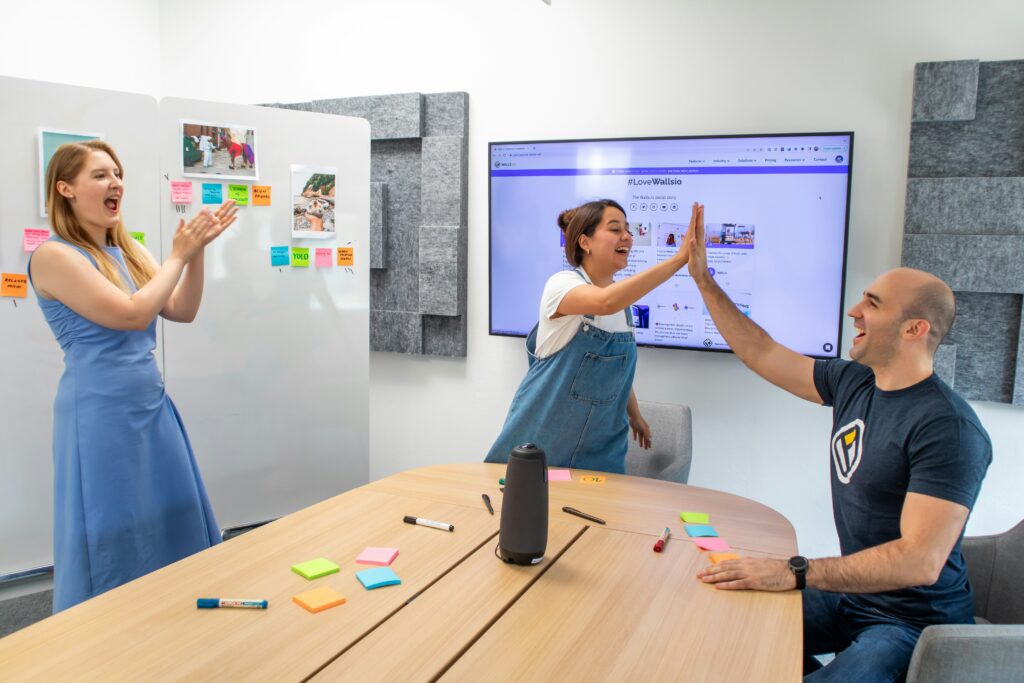

Finally, you will enhance wellness program engagement if you reach out using as many different channels as possible to ensure your best chance of connecting with them.

Some ways to communicate:

  • Email
  • Intranet or wellness portal messaging
  • Text (many wellness portal vendors offer this option)
  • Social media
  • Company newsletters and mailings
  • Flyers in the cafeteria, on company bulletin boards, etc.
  • During department or company meetings
5. Make it Appealing and Fun

Employees can’t be forced to engage in wellness, so you need to appeal to their desire to enjoy themselves. Make it your goal to have them come away from each activity feeling that it was both enjoyable and beneficial. This can be accomplished by adding social elements and gamification. Think how much more fun a team quiz challenge is than reading a paper about the same topic!

A few gamification ideas:

  • Contests – between departments, or between employees and leadership
  • Leaderboards showing ongoing results
  • Incentives, rewards, and prize-giving events
6. Include Team Challenges

Challenges are a fantastic source for wellness program engagement – especially group challenges, which are more inclusive and naturally motivate participants to encourage their teammates! Challenges not only drive wellness engagement but also tend to foster better working relationships by allowing teammates to connect on a personal level. · For ideas, check out the dozen pre-formatted challenge templates we’ve put together.

Wellness program engagement

7. Include Social and Community Activities

Structure and competition don’t appeal to everyone in your workforce, so be sure to include activities for those who prefer a more relaxed atmosphere. You may be surprised at how motivated a seemingly unengaged employee can be when it comes to a no-pressure group activity or volunteering to help a good cause!

Some ideas include:

8. Offer Progress-Tracking Tools

People are intrinsically motivated by seeing progress, so give them the opportunity to see their progress wherever possible. Completing a wellness activity or challenge, earning points towards incentives points, or tracking individual health data all create ongoing motivation and engagement. Progress-tracking also provides you with key data for measuring and enhancing the success of your wellness program.

Wearable devices and health apps on phones can be particularly helpful in providing you with key insights about the overall wellness and lifestyle of your population if you have a wellness portal with device sync capabilities.

Popular health trackers include:

  • Fitness – steps, activity, etc.
  • Weight
  • Sleep
  • Food
  • Mood
  • Medical – blood pressure, cholesterol, etc.
9. Recognize Employee Wellness Efforts

One of the most powerful ways to engage and motivate employees is to recognize their wellness efforts and successes. Make a big deal of it – recognize them in front of the entire department or company, showcasing both team and individual achievements where possible. Any type of progress or success deserves recognition – not just winning a challenge or contest.

Some good venues for wellness recognition include:

  • Companywide emails
  • Company newsletters or mailings – include pictures and stores where possible
  • “Wellness Spotlight” flyers in the cafeteria and on bulletin boards
  • Department or company meetings
10. Create a Wellness Committee … and Empower Them to Support You!Employee engagement programs

A properly empowered wellness committee that meets regularly can be invaluable in helping you direct, promote, and operate your wellness program. Get the right people on your wellness committee and you will have a valuable asset! Leverage their input and efforts in designing wellness initiatives, getting program feedback, planning and promoting wellness activities, coming up with ideas to improve engagement, and serving as your boots-on-the-ground wellness program ambassadors.

Some guidelines for putting together an effective wellness committee:

  • Leadership support – get the support of leadership to ensure you have the legitimacy and resources you need
  • Diversity – include members from different departments, with different level of corporate seniority and preferably at different stages of life and health/fitness
  • Passion – find enthusiastic individuals who believe in a healthy lifestyle, can serve as role models, and are genuinely interested in promoting the program
  • Commitment – make sure they have both the desire to improve their peers’ lives and the willingness to put in the time and effort needed to serve on the committee
  • Communication skills – look for employees who are approachable, enjoy talking with their peers, and are good listeners who effectively address concerns and suggestions
  • Dependability and respect – choose employees with a reputation for being   dependable and are respected by their peers
  • Limited term – limit the service term to a couple of years at most to keep things    fresh and bring in new ideas

Avidon Health’s Engagement Rx digital wellness platform and certified health coaches have been supporting employers and their wellness vendors for over 2 decades. We hope by implementing these tips, you can significantly enhance employee wellness program engagement and foster a healthier, happier workplace.

Looking to join our team? Click here for an important message