Categories
Health Coaches

How To Use Behavior Change To Transform Your Health

How Tiny Habits Can Transform Your Health and Wellness

In a world that often glorifies dramatic transformations and overnight success, it’s easy to overlook the profound impact of small, consistent behavior changes. Yet, when it comes to improving our health and well-being, it’s the modest, daily choices that truly make the difference. From drinking more water to taking the stairs instead of the elevator, these seemingly minor adjustments may seem trivial, but over time, they create a powerful ripple effect across our physical, mental, and emotional lives.

Why Self-Care Matters More Than Ever
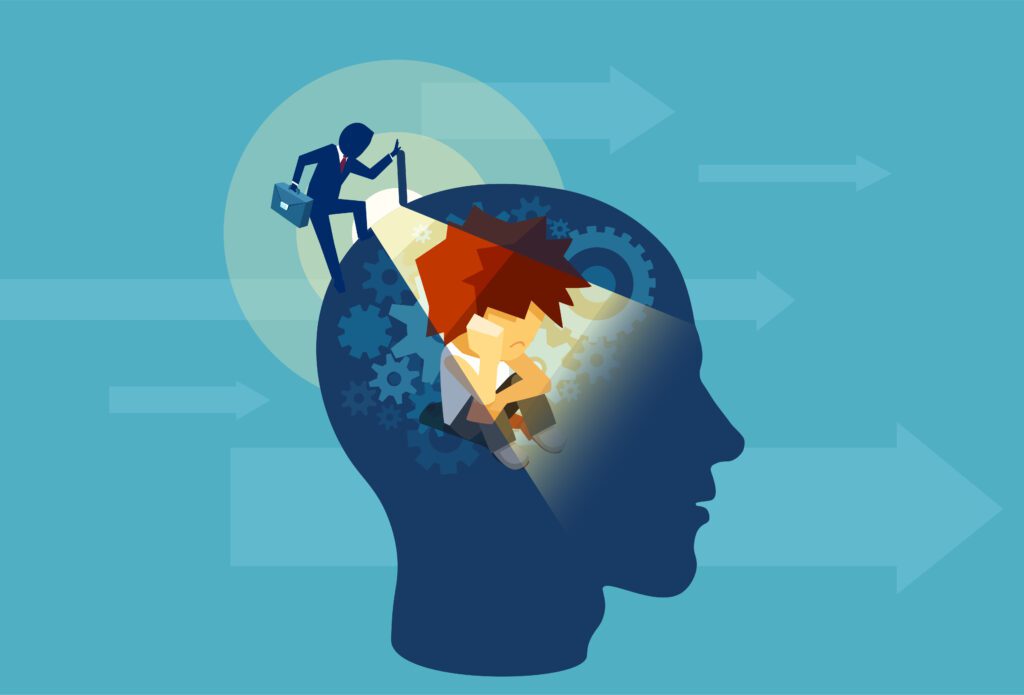
Illustration of behavior change for health, showing small steps leading to big wellness improvements with coaching support.

Behavioral science reveals that small, manageable changes are more sustainable than drastic overhauls. According to Dr. BJ Fogg, a behavior scientist at Stanford University, the key to lasting change lies in starting small. His “Tiny Habits” method emphasizes that when a new behavior is easy to do and tied to an existing routine, it’s more likely to stick and become a habit. For example, doing two push-ups after brushing your teeth each morning can eventually lead to a consistent workout routine.

This approach works because it reduces the psychological resistance that often accompanies big goals. Instead of feeling overwhelmed by the idea of losing 30 pounds or running a marathon, focusing on small, achievable steps, like a 10-minute daily walk, create momentum and confidence. Over time, they build the foundation for major transformation—without the stress and burnout.

Physical Health Benefits

Small changes yield real, measurable health benefits:

  • Hydration: Replacing one sugary drink a day with a glass of water can prevent excessive calorie intake and improve hydration, which supports digestion, energy levels, and skin health.
  • Movement: Taking short walking breaks during the day can improve circulation, reduce the risk of chronic diseases, and boost mood.
  • Sleep Hygiene: Turning off screens 30 minutes before bed can enhance sleep quality, which is crucial for immune function, memory, and emotional regulation.

These actions may feel small, but the results compound—helping to lower blood pressure, improve cholesterol, and reduce the risk of diabetes and heart disease.

Mental and Emotional Wellness

Health isn’t just physical—it’s deeply connected to mental and emotional well-being. Small habits can also nurture a healthier mind:

  • Gratitude Journaling: Writing down three things you’re grateful for each day can increase happiness and reduce symptoms of depression.
  • Mindful Breathing: Taking a few deep breaths before a stressful meeting can lower anxiety and improve focus.
  • Digital Boundaries: Setting limits around screen time, especially on social media, can enhance self-esteem and reduce feelings of comparison and inadequacy.

These practices help build resilience, foster a positive mindset, and create a sense of control over one’s life.

From Habit to Support: How Coaching Can Help

While many small changes start with individual intention, lasting transformation often benefits from encouragement and guidance along the way. Wellness coaching services and digital health coaching platforms can provide that extra layer of support, helping people stay accountable and motivated as new habits take root.

For organizations, employee wellness programs that integrate coaching elements make it easier to nurture healthy habits across teams. Whether through a virtual health coach, group challenges, or accessible wellness resources, the right support can make small daily changes more consistent, sustainable, and impactful.

A woman participates in a virtual coaching session, highlighting the role of behavior change for health through digital wellness support.

Your Foundation for Lasting Health and Wellness

The beauty of small changes is that they are accessible to everyone, regardless of age, fitness level, or lifestyle. They don’t require expensive equipment, gym memberships, or drastic diets. Instead, they rely on consistency and intention.

To get started, choose one area of your life you’d like to improve. Then, find a simple, daily action that moves you toward that goal, and link it to a habit you already have. Lastly, and most importantly, take time to celebrate your wins—no matter how small. Every bit of progress reinforces the action and fuels your motivation to keep going.

Final Thoughts

Health and wellness aren’t about giant leaps. They’re built through daily, intentional steps. While dramatic transformations grab headlines, it’s the quiet, repeated actions that change lives. By embracing the power of small changes and pairing them with smart, scalable tools like wellness coaching services, you can build a healthier, happier future, one habit at a time.
Categories
Health Coaches

Moving into the Golden Years: Senior Fitness

The Importance of Movement for Seniors: Needs, Benefits, and Science-Backed Solutions

As individuals age, maintaining an active lifestyle becomes increasingly critical for health and well-being. Yet, many seniors struggle to incorporate adequate movement into their daily lives, often due to physical limitations, misconceptions about exercise, or a lack of accessible senior fitness programs. This gap between what seniors should be doing and what they are actually doing presents both a problem and an opportunity—one that can significantly impact not only individual lives but also the broader healthcare system.

The Problem: A Widening Activity Gap

Data suggests that many seniors are not meeting recommended activity levels. According to the World Health Organization (WHO), adults aged 65 and older should engage in at least 150 minutes of moderate-intensity aerobic activity each week, along with muscle-strengthening exercises twice weekly. However, studies show that fewer than 20% of seniors achieve these benchmarks. The reasons for this are multifaceted, including physical discomfort, fear of injury, social isolation, and a lack of knowledge about appropriate exercise options.

This inactivity contributes to a range of adverse outcomes, from diminished mobility and loss of independence to increased risk of injury and the onset of chronic diseases such as obesity, diabetes, and cardiovascular conditions. The opportunity lies in bridging this gap through targeted movement programs designed to meet the unique needs of older adults.

The Benefits of Movement: Individual and Systemic

The benefits of regular movement for seniors are profound, extending beyond physical health to encompass mental and emotional well-being.

1. Individual Benefits

● Physical Health: Consistent movement helps maintain muscle mass, bone density, and joint flexibility. Functional fitness—the ability to perform everyday tasks such as climbing stairs, carrying groceries, or getting up from a chair—is a cornerstone of independence. Additionally, exercise reduces the risk of falls, a leading cause of injury and hospitalization in older adults.

● Chronic Disease Prevention: Regular activity can help prevent or manage conditions like obesity, type 2 diabetes, and hypertension. It also supports better cardiovascular health and improved metabolic function.

● Neurological Health: Movement, especially activities that challenge coordination and balance, has been shown to delay the onset of neurological diseases such as Parkinson’s and Alzheimer’s. Exercise also enhances cognitive function and mood, reducing the risk of depression and anxiety.

● Enhanced Quality of Life: Staying active fosters a sense of purpose and confidence, enabling seniors to participate in social activities and hobbies they enjoy.

2. Systemic Benefits

● Reduced Healthcare Costs: Seniors who engage in regular exercise are less likely to require expensive medical interventions. A lower incidence of falls, chronic diseases, and hospital admissions translates to significant savings for healthcare systems.

● Improved Caregiver Support: Active seniors are more independent, reducing the burden on family members and caregivers. This contributes to better mental health for all involved.

The Science of Movement Training for Seniors

Emerging research underscores the importance of senior fitness programs for older adults. While general exercise is beneficial, specific types of training can enhance resilience and capacity in targeted ways.

1. Functional Fitness Training

Functional fitness focuses on exercises that mimic everyday activities, helping seniors maintain their ability to perform essential tasks. For example, squats improve the ability to rise from a chair, while carrying weights simulates carrying groceries. Research shows that functional training improves strength, balance, and coordination, reducing the risk of falls and injuries.

2. Balance and Coordination Exercises

Activities like tai chi, yoga, and balance drills improve proprioception—the body’s awareness of its position in space. Such practices have been shown to decrease fall risk by enhancing stability and reaction time.

3. Strength Training

Resistance training helps counteract age-related muscle loss (sarcopenia) and supports bone health. Incorporating weights, resistance bands, or bodyweight exercises can significantly improve physical capacity and reduce frailty.

4. Aerobic Activity

Cardiovascular exercises such as walking, swimming, group classes, or cycling improve heart health, lung capacity, and overall endurance. Even moderate-intensity activities can provide substantial benefits when performed regularly.

5. Cognitive-Movement Integration

Programs that combine physical movement with cognitive challenges, such as dancing, ping pong, or martial arts, have shown promise in boosting brain health. Such activities engage multiple areas of the brain, enhancing neuroplasticity and cognitive resilience. These activities can also be designed to be enjoyable through some form of gamification and social engagement.

Practical Movement Solutions for Seniors

Implementing senior fitness programs doesn’t have to be complicated. When enacted thoughtfully, these programs can foster a sense of confidence, structure, and connectedness among participants, ultimately enhancing adoption and retention rates. Here are some practical examples of activities that have shown to be easily adopted and sustained:

● Walking Groups: Social walking clubs encourage regular activity and combat isolation.

● Chair Exercises: For those with mobility issues, seated exercises using light weights or resistance bands can improve strength and flexibility.

● Balance Classes: Community centers often offer classes focused on balance and coordination, such as tai chi or beginner yoga.

● Home Routines: Simple home-based routines, such as squats, step-ups, or stretching exercises, can be performed with minimal equipment.

● Engaging Technology: Fitness apps and virtual classes designed for seniors can provide structured guidance, education, and motivation. The asynchronous nature of digital movement programs also enhances convenience and access by meeting participants where they are and when they are ready.

Bringing Down Barriers

As lifespans continue to increase, addressing the needs of the senior population represents an impactful and unique opportunity for both the commercial and community health and fitness industry. One of the most viable pursuits lies in augmenting the current senior facility and service models.

● The Physical Environment: It is important that the facilities and equipment are welcoming and accessible. Everything from parking to getting on and off equipment easily and safely should be considered.

● Staffing Expertise: Seniors have distinct needs, and having staff that understand how to support, educate, and engage this population is critical to success.

● Critical Partnerships: Successful program development requires collaborations with referral networks and key community partners like hospitals, physician practices, senior centers, and faith-based organizations.

● Cost: For many seniors, financial strain can be a significant barrier to accessing care. Providing grants and subsidies to reduce the cost of these programs can play a major role in increasing participation.

● Objective and Subjective Outcomes: Facilities investing in a more value-based care model, focused on preventative actions and a patient-centered approach, have seen higher patient satisfaction and lower costs of care. Providing quantifiable data supporting key factors like engagement and outcomes can enable senior programs to receive both recognition and investment, both critical components in broadening access and acceptance.

Conclusion

Movement is a powerful tool for seniors, offering significant benefits for both individuals and the systems that support them. By addressing the barriers to physical activity and leveraging science-backed training approaches, we can help seniors lead healthier, more resilient lives. Whether through patient-centered programs, home exercises, or innovative technologies, the key lies in promoting accessible, enjoyable, and effective movement options. The journey to better health begins with a single step—and for seniors, every step counts.

Looking to join our team? Click here for an important message