Categories
Health Coaches

The Science of Habit Formation

Habit Formation 

Habits are powerful drivers of human behavior, shaping our daily routines and long-term outcomes. Understanding the science behind habit formation can help us develop positive habits and break negative ones. At the core of habit formation is a neurological process known as the habit loop, which consists of three key components: the cue, the routine, and the reward. 

The cue is a trigger that initiates the habit. It can be anything from a specific time of day, an emotional state, or an environmental factor. For example, feeling stressed might cue someone to reach for a snack.  

The routine is the behavior itself, which is the action taken in response to the cue. In our example, the routine would be eating the snack.  

Finally, the reward is the positive reinforcement that follows the routine, making the behavior more likely to be repeated in the future. The reward could be the temporary relief from stress provided by the snack.
Research has shown that habits are formed through repetition and reinforcement. When a behavior is consistently performed in response to a cue and followed by a reward, neural pathways in the brain are strengthened, making the behavior more automatic over time. This process is known as neuroplasticity, where the brain’s structure and function are altered based on experiences and behaviors. The basal ganglia, a region of the brain involved in habit formation, plays a crucial role in this process by storing and automating habitual behaviors. 

To build new habits, it’s essential to identify and manipulate the components of the habit loop. Start by choosing a specific cue that will trigger the desired behavior. Then, establish a routine that is simple and achievable. Finally, ensure that the routine is followed by a meaningful reward. Over time, as the behavior is repeated and reinforced, it will become a habit. Conversely, breaking a bad habit involves disrupting the habit loop by identifying the cue and finding alternative routines that provide a similar reward. By understanding and leveraging the science of habit formation, we can create lasting positive changes in our lives. 

What are some practical tips for forming new habits you ask?  

  • Start Small: Begin with a manageable and specific habit. Instead of aiming to exercise for an hour every day, start with a 10-minute walk. Small, achievable goals are easier to stick with and build momentum. 
  • Use Triggers: Identify a consistent cue that will remind you to perform your new habit. This could be something you already do regularly, like brushing your teeth or having your morning coffee. For example, if you want to start meditating, do it right after you brush your teeth in the morning. 
  • Set Clear Goals: Define what you want to achieve and why it’s important to you. Having a clear purpose can motivate you to stick with your new habit. Write down your goals and keep them visible as a reminder. 
  • Track Your Progress: Keep a journal or use a habit-tracking app to monitor your progress. Seeing your achievements can boost your motivation and help you stay accountable. 
  • Reward Yourself:

    Give yourself a small reward after completing your habit. This could be something simple like enjoying a piece of dark chocolate or taking a few minutes to relax. Rewards reinforce the habit loop and make the behavior more likely to stick.

  • Stay Consistent: Try to perform your new habit at the same time and place every day. Consistency helps reinforce the habit loop and makes the behavior more automatic over time. 
  • Be Patient and Persistent: Habits take time to form. Research suggests it can take anywhere from 21 to 66 days to establish a new habit. Be patient with yourself and don’t get discouraged by setbacks. Keep going, and it will get easier. 
  • Find a Support System: Share your goals with friends or family members who can encourage you and hold you accountable. You can also join a group or community with similar goals for additional support. 
  • Visualize Success: Spend a few minutes each day visualizing yourself successfully performing your new habit. This mental rehearsal can increase your confidence and commitment. 
  • Adjust as Needed: If you find that your initial plan isn’t working, don’t be afraid to make adjustments. Flexibility is key to finding what works best for you. 

By incorporating these tips into your routine, you’ll be well on your way to forming new, positive habits.  

Categories
Health Coaches

Health Coaching and Chronic Conditions

Health Coaching and Chronic Conditions

Health coaches play a crucial role in supporting individuals with chronic health conditions. Their ongoing support can significantly enhance a person’s quality of life and long-term health outcomes. Here are some key areas they get to focus on:

1. Understanding Common Chronic Conditions:

Health coaches have a basic knowledge of common chronic conditions such as diabetes, hypertension, heart disease, and arthritis. This includes understanding the impact these conditions have on daily life. Therefore, they can help educate people about lifestyle changes that can improve their health. This helps individuals understand their conditions better and make informed decisions.

2. Collaborative Approach:

Effective health coaching involves a collaborative paradigm. Instead of telling people what to do, coaches ask what changes they are willing to make and support them in those decisions.

Chronic conditions
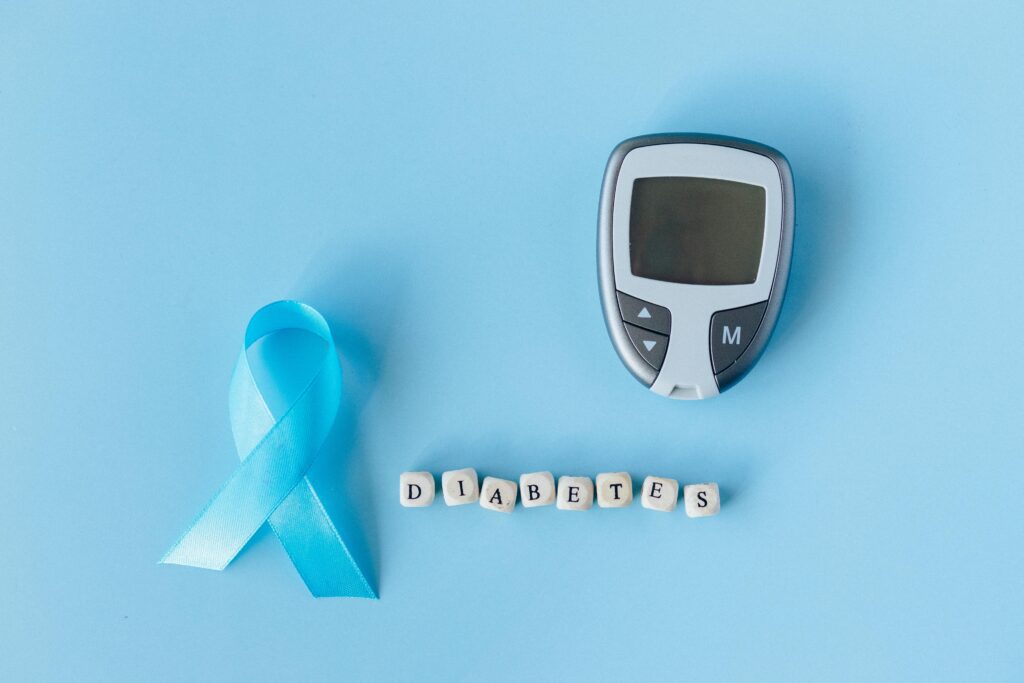
Health coaching can help individuals with diabetes manage their condition through education, support, and tools….
3. Self-Management Support:

Health Coaches provide tools and strategies to help people manage their conditions. This includes education on medication adherence, lifestyle modifications, and coping strategies.

4. Bridging the Gap:

Health coaches often act as a bridge between clinicians and patients, helping to ensure that patients understand their treatment plans and feel empowered to follow them.

5. Behavioral Change Techniques:

Knowledge of motivational interviewing, goal setting, and other behavioral change techniques is essential. These skills help health coaches to effectively support clients in making sustainable health changes.

6. Emotional Support:

Chronic conditions can be emotionally taxing. Health coaches are prepared to offer empathy, encouragement, and support to help individuals navigate the emotional challenges associated with their conditions.

7. Goal Setting and Problem-Solving:

Health coaches assist people in setting realistic health goals and developing problem-solving skills to overcome barriers to achieving these goals.

8. Regular Follow-Up:

Health coaches provide ongoing support and follow-up to ensure people can stay on track with their health plans and make necessary adjustments as needed.

9. Encouraging Active Participation:

Health coaches empower patients to take an active role in their own care, which can lead to better health outcomes and a greater sense of control over their health.

10. Monitoring Progress:

Health coaches regularly track individuals’ progress towards their health goals and adjust plans as needed to ensure continued improvement.

By focusing on these areas, health coaches can significantly improve the quality of life for individuals with chronic health conditions.

Categories
Health Coaches

Elevate Your Group Coaching: Tips for Maximizing Impact

What is Group Coaching? group coaching

Group health and wellness coaching is a facilitated, synchronous process for small groups (fewer than 12 participants) led by a certified health coach. The aim is to leverage the collective experience and wisdom of the group to help each member achieve their health and wellness goals, while providing a supportive and stable environment. 

Each participant receives equitable attention throughout the sessions. The coach, an expert in coaching and group dynamics with foundational health knowledge, focuses less on providing educational content (less than 20% of the time) and more on facilitating the group process. They do not offer significant support or therapy. 

Sessions may include instruction in individual skills development, such as mind/body practices and journaling, and the use of self-assessment tools. Coaches equip participants with the skills to find their own answers. By modeling behaviors like encouragement, affirmation, focusing on positive progress, maintaining a nonjudgmental stance, building rapport, and reflective listening, coaches help group members learn these skills as well. 

Coaches trust the group process and recognize that participants are their own best resource for experience and expertise. Groups can be tailored to specific audiences or be more general in focus, covering a wide range of health topics. 


What Are Four Things Coaches Need to Consider Before Leading Group Coaching? 
  1. End-to-End Participant Experience 

Creating a seamless end-to-end participant experience in group coaching is crucial for several reasons. A smooth experience keeps participants engaged and motivated throughout the coaching process. When participants feel that every aspect of the program is well-organized and cohesive, they are more likely to stay committed and actively participate. Consistent experiences across all touchpoints help build trust and reliability. A seamless experience leads to higher satisfaction levels. Satisfied participants are more likely to continue with the program, recommend it to others, and return for future sessions. 

When the coaching process is well-structured, participants can focus more on learning and applying new skills rather than dealing with logistical issues. This enhances the overall effectiveness of the coaching. By focusing on creating a seamless end-to-end experience, health coaches can ensure that their participants receive the maximum benefit from the program, leading to better outcomes and a more positive coaching environment. 

  2. Administrative Burden (or lack thereof) 

Health coaches may underestimate the amount of time that goes into facilitating group health coaching. This can be especially important when determining the price (and therefore hourly breakdown of pay) for the program. There is much more than just the time in the group container itself. 

What health coaches need to consider is the time needed to prepare for each group session, to close out each group session (i.e. time for questions at the end, logging any data such as attendance), answering inbound messages from participants in between sessions, marketing the program, creating the curriculum, researching locations/technology, and possible discovery calls/meetings to see if the group is a good fit for the participant goals. Most of the time dedicated to group coaching occurs outside of the group container. 

  3. Health Outcomes vs Health Behaviors 

The difference between health outcomes and health behaviors lies in their definitions and roles in health and wellness. Health outcomes refer to the results or consequences of health behaviors and other factors on an individual’s health. Health outcomes can include measures such as life expectancy, incidence of chronic diseases, mental health status, and overall well-being. Essentially, health outcomes are the end results that reflect the state of an individual’s health. Health behaviors refer to the actions individuals take that affect their health. These behaviors can be either health-promoting (e.g., regular exercise, healthy eating, not smoking) or health-deteriorating (e.g., smoking, excessive alcohol consumption, poor diet). Health behaviors are the choices and habits that influence one’s overall health. In summary, health behaviors are the actions taken to influence health, while health outcomes are the results of those actions and other contributing factors. Improving health behaviors can lead to better health outcomes. 

While it is important to measure pre and post health outcomes to measure and display the effectiveness of a program, health behaviors can unfortunately be neglected in pre and post assessments. In conjunction with biometrics, it is highly recommended to distribute a pre and post lifestyle questionnaire as well. A lifestyle questionnaire can measure a participant’s health behaviors are various pillars of wellness. It is helpful to measure multiple pillars, not just the direct ones that are addressed in the program. For example, one may be working on sleep. As they improve their sleep, they may find organically that they have more energy and are exercising more too and not reaching for sugary snacks for an afternoon pick-me-up. There is a beautiful ripple effect that takes place when working on our health and wellness. 

  4. Engage Beyond the Group Container 

We have heard “What happens in Vegas, stays in Vegas”. Many coaches may even say this as they set the rules of engagement for their group. But what if what happens in the group, doesn’t have to stay in the group container? Keeping all things confidential and HIPAA compliant, what if coaches increased reliability and accountability in between group coaching sessions? What if we created an opportunity for the participants to interact with each other outside of the group session? 

These what if questions have profound positive answers. We would have more engagement, increased social support, and enhanced outcomes and behavior change. Finding a platform that enables a coach to send HIPAA compliant check-in texts and e-mails is vital. Finding one that also enables group challenge leaderboards, social handles, and the like help tickle various participant motivational preferences. 

  Group coaching

In Conclusion 

Group health and wellness coaching involves a certified health coach facilitating small group sessions to help participants achieve their health goals by leveraging collective wisdom and focusing on skill development and group dynamics rather than providing direct education. Coaches need to home in on an engaging participant experience, how to decrease administrative burden, report on change in health outcomes and health behaviors, as well as provide opportunities for engagement outside of the group session. With these attributes as a foundation and a platform to enable these functions, coaches can build successful group coaching programs. 


Categories
Health Coaches

What Health Coaches Need to Know About GLP-1 Agonists

Introduction to Health Coaching and GLP-1 Agonists

GLP-1 agonists, also known as glucagon-like peptide-1 agonists, are a class of medication that mimics the action of the naturally occurring GLP-1 hormone, which has several essential roles in the body. GLP-1 helps trigger insulin release from the pancreas, blocks glucagon secretion (which raises blood sugar levels), slows stomach emptying, and increases the feeling of fullness after eating. By promoting weight loss and improving blood sugar control, GLP-1 agonists play a crucial role in diabetes management.  Some formulations are also approved for the treatment of overweight and obesity.

With this in mind, health coaches should be aware of a handful of implications to coaching clients that are utilizing GLP-1 agonists.

Best Practices for Health Coaches

Although the following list is not exhaustive, it provides you with the foundational strategies for effectively and safely coaching clients using GLP-1 agonists while also staying within your scope. While the primary health coaching principles and techniques remain the same (i.e. motivational interviewing, appreciative inquiring, etc.), there are a few things to take into consideration that may differ when working with clients on GLP-1 agonists. 

Protein Intake

When taking GLP-1 medications, it’s essential to pay attention to protein intake. There are some guidelines for protein requirements. The first is people should aim for at least 70 to 75 grams of protein per day. This helps prevent muscle loss that can occur during weight loss. In a high-protein diet, 25%-35% of calories should come from protein. For example, if someone consumes 1,600 calories a day, this translates to 100-140 grams of protein daily. Of course, please work with a registered dietitian to confirm the appropriate grams of protein needed.

Look for protein sources with at least 15 grams of protein per serving. Some clients may want to consider adding protein powder to some meals. It is convenient and provides a good protein boost. Options with a short ingredient list and limited added sugars, such as 100% whey, soy, or pea protein, are always best.

Strength Training

Colorful kettlebells lined up on a gym floor, representing strength training for muscle preservation during GLP-1 medication use.

Strength training plays a crucial role when using GLP-1 agonists. GLP-1 medications can help suppress appetite, leading to fewer calories consumed and weight loss. The goal with the weight loss is to lose body fat and preserve muscle mass. Strength training helps to maintain muscle mass, preventing muscle loss during weight loss.

When it comes to long-term weight management, strength training is important too. Consistent strength training sets someone up for sustainable weight management. Especially beyond the GLP-1 agonist journey. Strength training, can help ensure a healthier and effective transformation.

Side Effect Considerations

Side effects may arise at any time and can interfere with habit-building or other lifestyle goals your client is working on. With empathy, health coaches need to understand there may need to be an opportunity to pivot quickly to “Plan B” when considering the following side effects:

Common Side Effects:

  • Nausea: Feeling sick is a common side effect associated with GLP-1 agonists. However, this usually improves over time.
  • Diarrhea: Some people may experience diarrhea when taking these medications, but it tends to resolve with continued use.
  • Vomiting: Vomiting can occur, especially when starting treatment, but it often diminishes over time.
  • Decreased Appetite: GLP-1 agonists can reduce appetite, which may contribute to weight loss.

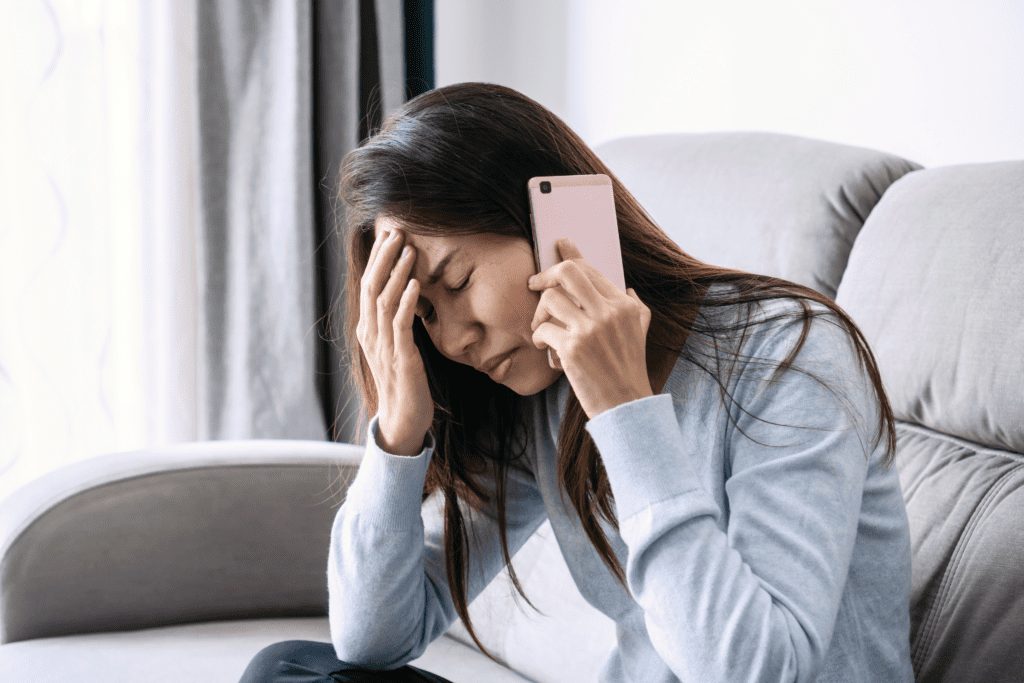
Woman holding her head while on the phone, possibly experiencing discomfort or a medication side effect such as headache or nausea.

More Severe Side Effects:

  • Low Blood Sugar (Hypoglycemia): While less common, hypoglycemia is a serious risk associated with GLP-1 agonists.
  • Stomach Pains: Some individuals may experience abdominal discomfort.
  • Skin Reactions: If they inject the medicine, there’s a possibility of skin reactions.

Holistic Approach

Though this may not be a surprise to health coaches, we need to take a holistic approach to someone’s health and well-being; it’s not just about diet and exercise and coaching individuals that take GLP-1 agonists are no exception. Our lifestyle habits are interconnected. For example, if someone does not sleep well, they may choose higher sugar foods and skip their workout. Pillars such as sleep, stress management, substance, use, social support, spiritual, and environmental aspects of someone’s life are important to consider when trying to help guide them to a more balanced and vivacious life.

Coaching Program Length and Frequency

Individuals on GLP-1 agonists are typically on them for a minimum of three months, and it is not unheard of for them to be on them for 24 months or more. This will impact how long a coaching program should be. Typically, health coaching programs for this population are a minimum of four months and have been seen to be as long as two years.

The frequency of coaching sessions is observed to be biweekly typically. Those that did coaching paired with GLP-1s agonist for one year observed an average 15.6% weight loss. In the second year, people lost an average of 16.8% body weight. Aside from just weight loss, GLP-1 coaching programs have also observed an improvement in lipids, A1c, liver function test, insulin, and hs-CRP.

It is important to note what happens between coaching sessions. Check-in messages between sessions are common. This is helpful in driving motivation and accountability. Sessions paired with between session communication make for a well-rounded support structure.

Resources:

GLP-1 Agonists: What They Are, How They Work & Side Effects (clevelandclinic.org)

Considering GLP-1s: A Guide to Deciding If It’s Right for You (healthline.com)

Considering GLP-1 medications? What they are and why lifestyle change is key to sustained weight loss (Mayo Clinic Diet)

GLP-1 agonists: Diabetes drugs and weight loss (Mayo Clinic)

Combined GLP-1 medication and virtual coaching leads to sustained weight loss | Cleveland Clinic Journal of Medicine (ccjm.org)

Protein balance for GLP-1s
meal plan (Mayo Clinic)

A holistic approach to integrative medicine (Mayo Clinic Press)

Looking to join our team? Click here for an important message