Most people don’t lose confidence because of their weight. They lose it because they feel stuck in a hopeless loop.
Trying harder. Starting over. Promising this time it will be different, while the definition of insanity pops into your head…
Eventually, the problem stops feeling like weight at all. It feels like trust. You start wondering if you can trust your body, your choices, or whether the struggle is worth it at all.
That’s where small habits and reframing come in. We’re not rebuilding from scratch, we’re just doing some redecorating. It’s the small changes that end up shaping how your days really feel.
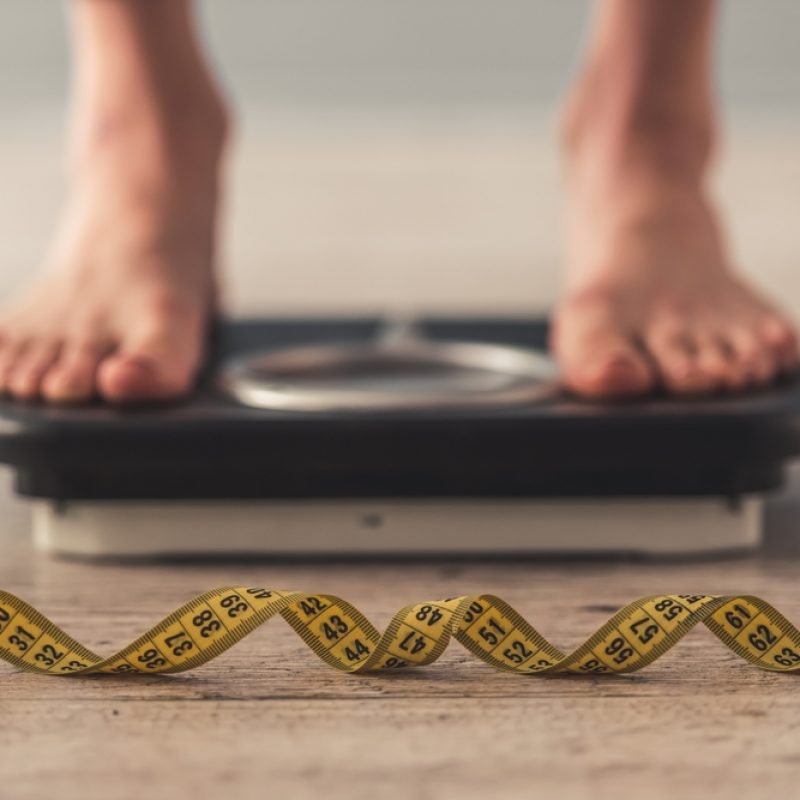
The Scale Is Loud. Habits Are Quiet.
The scale gives instant feedback. Small shifts in thinking and habits take time. Changing that “results now” mindset is vital.
You can do a lot of helpful things for your body and get limited validation for weeks. Meanwhile, the scale moves up a pound overnight and suddenly it feels like nothing you did mattered.
It’s hard, but you have to start framing new choices as long-term, cumulative efforts instead of quick fixes.
In time you’ll notice improvements in how you sleep and your mood. Often before you notice anything else, you’ll be moving more without thinking about it and finding yourself making easier, healthier food choices without angst.
Those things matter more than the number. Even when the number refuses to cooperate.
What If Progress Felt Less Intense?
In reality, confidence comes after you feel in control and are moving your life in the direction you want it to go.
Stop torturing yourself with negotiations and all-or-nothing thinking. Break the shame loop of “I blew it this weekend, so I might as well quit.”
Habits help shrink the size of decisions. You stop asking whether you need to be perfect today and start asking what the next reasonable thing you can do is.
That shift alone can be huge.
Movement Doesn’t Have to Be a Personality Trait
You don’t need to start identifying as a gym rat or an exercise fanatic, and you don’t need to drive yourself crazy tracking every metric or every bite. A lot of people get stuck in the mindset of “I need to do a half hour on the treadmill because I ate a cookie,” which turns movement into repayment instead of something that actually helps you feel better.
The shift you’re looking for isn’t from inactive to intense. It’s a mindset change, shifting from have to and should to want to. Wanting to move a little more because your body feels stiff, stretching because it feels good, and getting a bit stronger so everyday life feels better and you’re more energized.
You don’t need to love the gym or track everything. Stop punishing yourself and trying to make up for anything you ate. When movement stops feeling like punishment, it becomes much easier to repeat. Over time, it stops feeling like a battle and starts feeling like something you do because it helps your life work better.
Food Choices Work Better Without Judgment Attached
Most people already know which foods help them feel better and which ones don’t. Nobody is confused about fruit and veggies versus Doritos and cake.
This isn’t about not knowing better. It’s about what happens when real life shows up and you eat something that doesn’t fit the plan. When food turns into a moral verdict, guilt makes habits harder to repeat. Rigid rules make normal meals feel stressful.
That’s why food choices work better when you treat them as information instead of a verdict. Not good or bad. Not success or failure. Just feedback.
Enjoying foods you like isn’t the problem. The issue is when those choices stop feeling like choices at all. Having ice cream because you want it and it fits your day is different from zoning out and realizing you finished half the container without even enjoying it. One is intentional. The other is just autopilot.
Asking simple questions helps interrupt that loop. How did that feel? Did that leave me satisfied, or feeling gross? Would I want to do that again tomorrow, or am I regretting it already?
Those questions don’t excuse choices, they build awareness. Over time, that awareness makes it easier to break the patterns you’re trying to leave behind.
Confidence Isn’t About Liking Your Body Every Day
Confidence isn’t limited to waking up thrilled with your reflection. It’s knowing your body isn’t the enemy. It’s trusting that small actions still matter, even when results are slow. That trust replaces doubt with the sense that you’re actually making progress.
Habits help rebuild that trust, and understanding how habits actually work is what turns that gradual road of repetition, patience, and flexibility into real progress.
And once that trust starts to come back, you are freed from the weight of hopelessness.

Final Thought
The good news is you’re not looking at rebuilding your life from the ground up. A few habit changes, paired with a longer-term mindset, can put you back on solid footing.
Progress doesn’t come from doing everything at once or getting it perfect. It comes from being patient, trusting the process, and knowing that each day you’re taking a small step toward the life you actually want.
That kind of steady progress is what rebuilds confidence over time.
If you’d like some help reframing your habits and keeping your goals in view, Avidon’s tools can help along the way.
Author

Avidon Health is transforming how organizations promote healthier lifestyles through behavior change science and technology-driven coaching. Our mission is to empower individuals to achieve better health outcomes while driving measurable business success for our clients.
With over 20 years of expertise in health coaching and cognitive behavioral training, we’ve built a platform that delivers personalized, 1-to-1 well-being experiences at scale.
Today, organizations use Avidon to reimagine engagement, enhance health, and create lasting behavior change—making wellness more accessible, impactful, and results-driven.