
Frontline employee wellness means designing well-being support for the people who don't sit at a desk: the nurse, the warehouse picker, the store associate, the line cook, the field tech. They make up most of the workforce, yet almost every wellness program is built for the minority who have a desk, an inbox, and a predictable schedule. That mismatch, not employee apathy, is why participation stays low. The good news: it's a design problem, which means it's fixable.
Here's the scale of it. According to SHRM Labs, roughly 80% of the global workforce is deskless, yet deskless tools attract only about 1% of enterprise software investment. So the majority of employees are asked to engage with well-being programs through channels they can't easily reach. The fix isn't more reminders or bigger incentives. It's meeting workers where they actually are.
Who Counts as a Frontline Worker
"Frontline" and "deskless" cover far more than one industry. If a job happens on your feet, on the move, or on a shift clock, it's frontline. That spans:
- Healthcare: nurses, aides, techs, and support staff working rotating shifts in high-stress environments.
- Retail: store associates and shift leads on the sales floor, rarely near a computer.
- Hospitality and food service: servers, housekeepers, kitchen staff, front-desk teams.
- Logistics and warehousing: pickers, packers, drivers, and dock crews.
- Field and skilled trades: technicians, installers, and crews who work on the road or on site.
The common thread is that none of them spend the day at a workstation, and the wellness tooling most employers buy assumes they do.
The well-being case is hard to ignore. In UKG's Global Frontline Workforce Study, which surveyed nearly 13,000 frontline employees and managers across 11 countries and sectors, 75% reported burnout. Among Gen Z frontline workers the figure climbed to 83%, and over a third said they'd quit a job specifically because it hurt their physical or mental health. These are the workers least served by traditional programs and most exposed to the stress those programs are meant to relieve.
Why Standard Wellness Programs Miss Them
Most programs fail frontline teams for three plain reasons, none of which is about motivation.
No work email or portal. Step-counting apps, intranet sign-ups, and "check your inbox for the wellness newsletter" all assume a corporate login. Most frontline workers don't have one, or can't get to it during a shift. The message never lands.
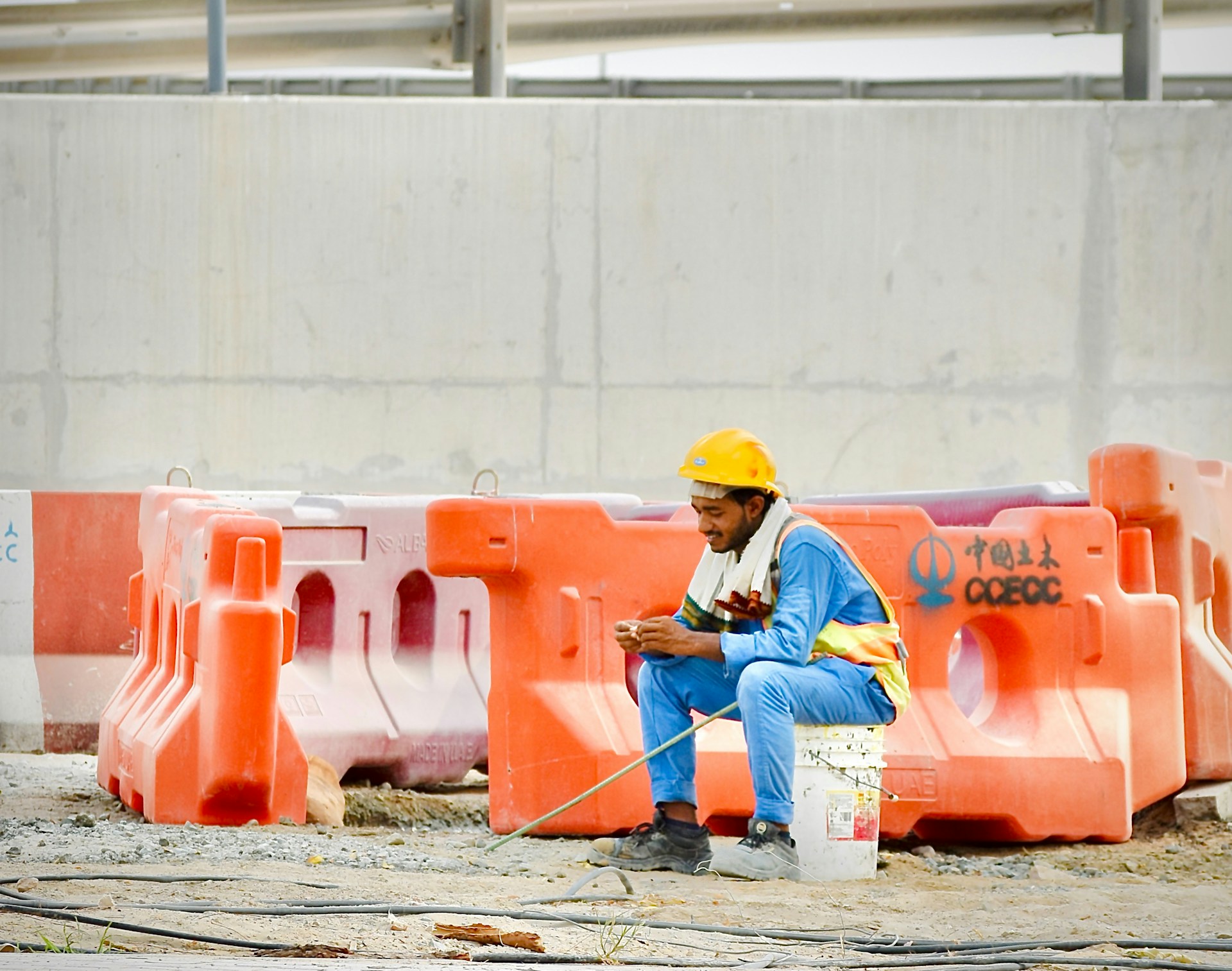
No predictable break. A lunchtime webinar or a 3 p.m. mindfulness session works for a calendar-driven office. It reaches almost no one on a rotating 8- or 12-hour shift.
The wrong priorities. Frontline health risks skew toward fatigue, sleep, injury, and financial stress, not the ergonomic-desk and step-challenge framing most wellness programs default to.
This pattern is sharpest in manufacturing, where shift work and safety risks compound. We cover that environment in depth in our guide to blue-collar wellness programs, including the research on why traditional programs underperform on the factory floor. The piece you're reading now zooms out to the whole deskless economy, where the same access gap shows up in a store, a ward, or a delivery route.
What Actually Reaches Frontline Workers
The programs that work for frontline teams share a design philosophy: remove friction, meet people on the device in their pocket, and respect the shift clock. Five moves do most of the work.
Go mobile-first, and skip the login wall. Text-based prompts and a no-download mobile experience reach workers where email and portals can't. If joining takes a form and a corporate password, you've lost most of the floor before you start.
Keep every action under 30 seconds. A one-tap check-in, a single hydration log, a short audio reset. Complexity is the quiet killer of frontline participation, so strip it out.
Use peer champions, not top-down campaigns. Trusted coworkers on the floor drive far more sign-ups than an HR email ever will. They also surface what their teammates actually need, so the program adjusts to reality.
Schedule around shifts, not around 9-to-5. Make content available any time and asynchronous so a night-shift worker gets the same experience as a day-shift one. Anything tied to a single clock time excludes the people you're trying to reach.
Prioritize the risks that matter. Sleep and fatigue recovery, injury prevention, practical nutrition, and financial well-being resonate more than step challenges for workers whose jobs are already physical. Lead with what's relevant to their day.
A multi-channel approach matters because no single channel reaches everyone. Pairing on-site touchpoints with mobile-accessible content covers both the worker who lives on their phone and the one who rarely looks at one, and it hedges against the certainty that any single channel will miss part of the floor.
For remote and hybrid teams, the access problem looks different but rhymes, and we break that down in our guide to wellness for remote and hybrid teams.
It Works When It's Built for Them
The encouraging part: when programs are actually designed for frontline realities, these workers show up. Consider the contrast with a benefit most employers already have. Most employers offer an Employee Assistance Program, yet average utilization sits below 10%, according to SHRM. The support exists. It just isn't reaching people.
Engagement isn't fixed, though. It's a function of design.
That result is detailed in our efficacy and outcomes report. The barrier was never that frontline workers don't care about their health. It's that the program was never built to reach them. Get the delivery model right, and the 80% of your workforce that traditional wellness ignores becomes the part that participates most.