Stress & Emotional Health

You Give Everything to Everyone. It’s Time to Reclaim Calm for Yourself.

Over 58,000 people have used Avidon's stress and emotional health programs to reset their minds and feel confident again.

Between work deadlines, family needs, and the pressure to “keep it all together,” it’s easy to lose your sense of calm. You’re not alone, and you don’t have to stay stuck.

You Don’t Need Another Breathing Tip.
You Need a Better Way to Think About Stress.

Stress isn’t just mental, it’s learned. Over time, your brain wires itself to react automatically: push harder, stay silent, or put everyone else first. Avidon helps you retrain that pattern to pause, reframe, and respond with calm confidence.

Old Loop Diagram
New Loop Diagram

Built on Science. Proven by Real Results.

Avidon’s stress and emotional health programs have reached over 58,000 people, and in one of our outcome studies with 7,500 participants, more than 9 in 10 reported lasting improvements in calm, confidence, and control.

0%
Handled stress better
0%
Felt more in control
0%
More positive about future
0%
Would recommend

Our psychology-based training program blends science, structure, and self-reflection to help you turn stressful moments into opportunities for calm and control.

1
Understand: Start with our Health Age Predictor to assess your habits and readiness for change.
2
Learn: Access short, science-backed lessons and reflection prompts that show how to rewire old patterns.
3
Practice: Apply new tools and mindfulness techniques that build confidence and control.
4
Sustain: Reinforce your progress with reminders and evolving habit programs.
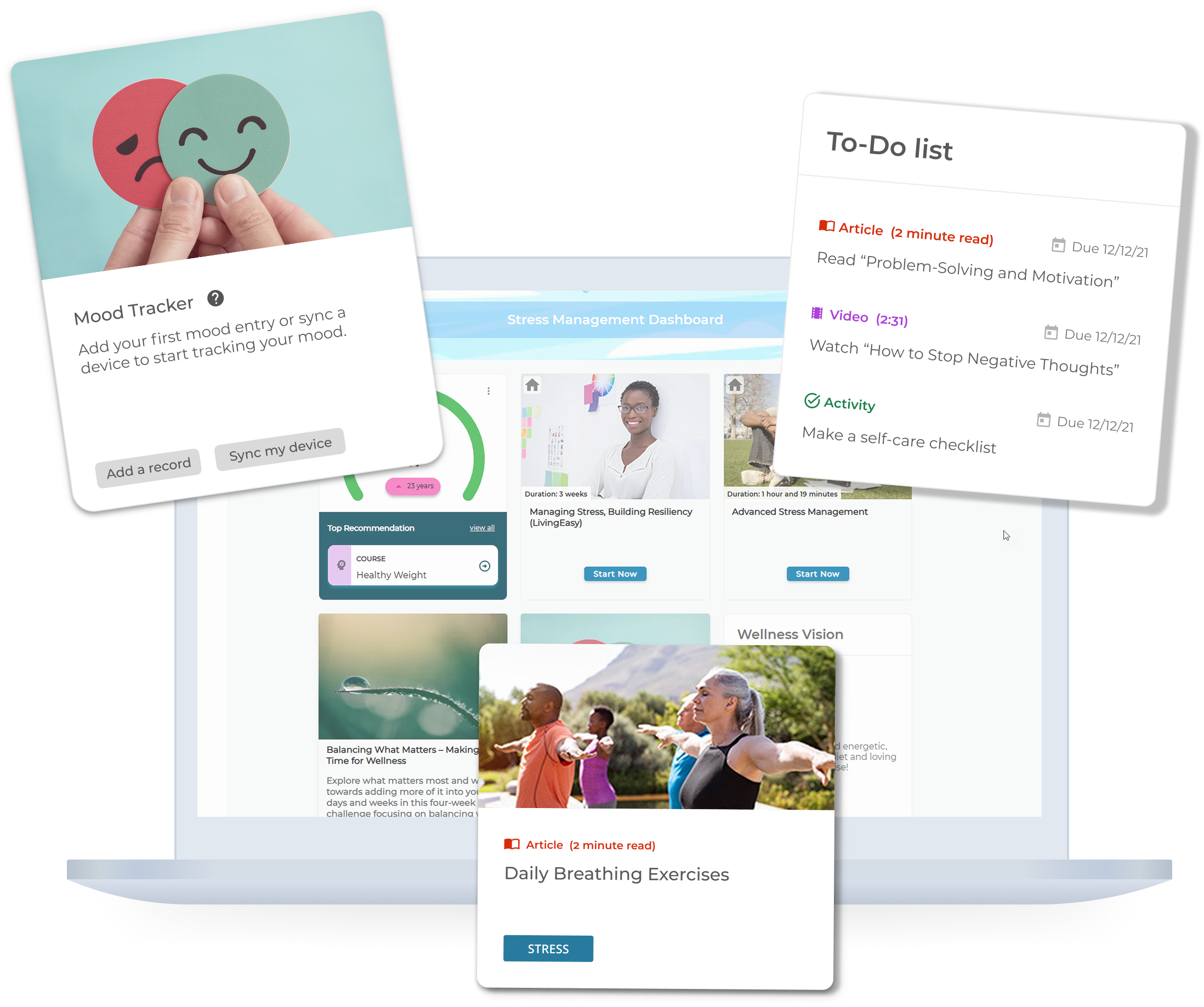
Product mockup

Real People, Real Results

Everyone’s stress story is different, but the transformation is the same:
calm, confidence, and control.

Stress can be categorized into two main types, and I never realized that before. It helped me identify what I can control and stop worrying about what I can’t.

— Female, 50–59

I think people don’t know they’re stressed until they hit a wall. This course helped me catch it early and respond better.

— Female, 60–69

It really helped me slow down, think clearly, and not take everything so personally.

— Female, 30–39

Great insight into how my thoughts affect my emotions and reactions.

— Male, 30–39

You’ve Taken Care of Everyone Else. Now It’s Your Turn.

Get the structure, science, and support to finally feel calm, confident, and in control again.

🧠 Science-Backed 💬 Coaching Support 🔒 Cancel Anytime

Join 58,000+ people who’ve turned daily stress into daily strength.

Stress affects nearly every part of your health. Here are expert answers to the most-searched questions.

How to calm down quickly when you feel overwhelmed.
You're not alone. Nearly half of Americans report feeling frequent stress (Gallup 2023). Try structured breathing, such as box breathing; inhale for four counts, hold for four, exhale for four, hold for four. You can also focus on a grounding technique with the “3-3-3 Rule” by identifying three things you see, three things you can touch, and three things you can hear. Release nervous energy through movement like stretching, walking, or any form of exercise. Each small win helps you regain a sense of control and calm.
Why am I so emotional in my 40s?
E-motions are energy-in-motion. This energy comes from somewhere and has to go somewhere. There are many reasons someone may feel emotional including high levels of stress, hormonal changes, lack of sleep, unhealthy diet, lack of exercise, situational circumstances, mental health conditions, and even genetics. Sometimes it’s more than one factor. Check with your doctor to ensure your mental health and hormone levels are within normal limits. Give yourself time to think through what you’re feeling so you can understand what might help you feel more in control.
Quick ways to relax your mind after work.
Sometimes we’re so focused on the “go-go-go” that when it’s time to relax, we forget how. Reconnect with hobbies you enjoy like reading, biking, walking. Movement promotes relaxation, while journaling or meditation helps shift your mental state. Whatever helps you unwind, make it a consistent post-work ritual to train your brain that it’s time to relax.
How to reduce stress and anxiety.
Emotional regulation is a skill you can learn. The first step is self-awareness, name it to tame it. Accept what you’re feeling without judgment and recognize that pause between emotion and response. Use calming activities like box breathing to regulate your nervous system so you can respond as your best self.
Daily mindfulness habits that reduce stress and anxiety.
Nearly half of Americans report frequent stress (Gallup 2023), but relief is within reach. Regular exercise boosts emotional well-being, swapping one caffeinated drink for herbal tea can reduce jitters, journaling clears your mind, and brief mindfulness breaks strengthen calm. Small daily habits add up to steadier emotions.
How to stop overthinking before bed.
A Newsweek poll found that stress is the top reason people struggle to fall asleep. When the day quiets, your mind races. Avoid caffeine late, heavy workouts before bed, or alcohol nightcaps. Instead, try Progressive Muscle Relaxation (PMR), 10 minutes daily can improve sleep and reduce anxiety.
How to recover from burnout and mental fatigue.
Burnout builds gradually as stress accumulates and rest is neglected. The first step is giving yourself permission to stop pushing through. Short-term, schedule consistent breaks like a walk, nap, or mindful coffee moment. True recovery can take one to six months and often requires reevaluating what truly fulfills you so you can design a life you don’t need to escape from.
Emotional regulation techniques for women in their 40s.
Hormonal changes, family demands, and constant busyness can intensify emotions in your 40s. The key isn’t suppression, it’s understanding. Pause before reacting, breathe deeply, step away if needed, or write down your thoughts to gain clarity. Mindfulness, gentle exercise, good sleep, and balanced nutrition all help regulate emotions over time.
How to manage everyday stress naturally without medication.
Stress is a part of daily life, so your coping strategies should be too. Move regularly, eat nutritious meals, and maintain consistent sleep. Studies show regular exercise improves stress resilience. Spend time outdoors and take short quiet breaks. When your mind races, slow your breathing — inhale 4 seconds, hold 3, exhale 7 — or practice gratitude to signal safety to your body.
How to stop being so reactive with family and coworkers.
It’s easy to snap when your stress is maxed out. Irritability often reflects built-up tension, not the current moment. Notice early signs like tight shoulders, clenched jaw, or shallow breathing. Pause before reacting, take one slow exhale, and if needed, step away. You can jot down your thoughts to stay grounded. Later, when calm, respond intentionally and aim for progress, not perfection.
Best breathing and body relaxation exercises for stress relief.
A 2023 Stanford study found that five minutes of “cyclic sighing” each day improved mood and reduced stress. PMR and gentle stretching also help. With PMR, tense each muscle group for five seconds, then release, working from feet to face. You can’t be tense and relaxed simultaneously, so this helps your body let go of stress.
How to reset after a high-stress day.
Some days are just extra. Shift gears by creating an intentional “after work” ritual. Brush your teeth, walk around the block with music, light a candle and reflect, call a friend, or cook mindfully. The goal is to draw a line between the stress of the day and the calm of the evening so your mind knows it’s safe to unwind.
Looking to join our team? Click here for an important message